



ເພີ່ມການສັງເກດຂອງທ່ານໃນ Fish Watcher
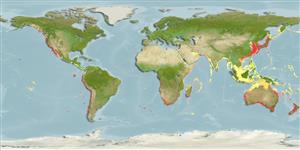
| Native range | All suitable habitat | Point map | Year 2050 |
|
| This map was computer-generated and has not yet been reviewed. |
| Sardinops sagax AquaMaps Data sources: GBIF OBIS |
ອັບໂຫລດຂອງທ່ານ ຮູບພາບ ແລະ ວິດີໂອ
ຮູບ | ວິດີໂອ | ສະແຕມ, ຫຼຽນ, ອື່ນໆ. | Google image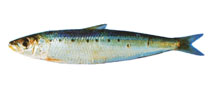 Sardinops sagax
ຮູບພາບໂດຍ SeaFIC
ຮູບ | ວິດີໂອ | ສະແຕມ, ຫຼຽນ, ອື່ນໆ. | Google image
ຮູບພາບໂດຍ SeaFIC
ການຈັດປະເພດ / ຊື່ ຊື່ສາມັນ | ຄຳສັບຄ້າຍຄືກັນ | Catalog of Fishes(ຕະກຸນ, ຊະນິດ) | ITIS | CoL | WoRMS | Cloffa
> Clupeiformes (Herrings) > Alosidae (Shads and Sardines)
Etymology: Sardinops: Latin and Greek, sarda = sardine; name related to the island of Sardinia + Greek, ops = appearance (Ref. 45335); sagax: From the latin word 'sagax' which means of quick perception, acute, or alert (Ref. 6885).
More on author: Jenyns.
Etymology: Sardinops: Latin and Greek, sarda = sardine; name related to the island of Sardinia + Greek, ops = appearance (Ref. 45335); sagax: From the latin word 'sagax' which means of quick perception, acute, or alert (Ref. 6885).
More on author: Jenyns.
ສະພາບແວດລ້ອມ: ສະພາບແວດລ້ອມ / ເຂດດິນຟ້າອາກາດ / ລະດັບຄວາມເລິກ / ຂອບເຂດການແຈກຢາຍ ນິເວດວິທະຍາ
ສັດທະເລ pelagic-neritic; ປາທີ່ມີການເຄື່ອນຍ້າຍໃນສະເພາະມາະຫາສະມຸດ (Ref. 138310); ລະດັບຄວາມເລິກ 0 - 200 m (Ref. 188). Subtropical; 9°C - 21°C (Ref. 6390); 61°N - 47°S, 145°W - 180°E (Ref. 36641)
ການແຜ່ກະຈາຍ ອານາເຂດ | ເຂດ FAO | ລະບົບນິເວດ | ການປະກົດຕົວ | ຈຸດໃດໜຶ່ງທີ່ສະແດງອອກໃນແຜນທີ່ (ພ້ອມທັງສະແດງຂໍ້ມູນເພີ້ນເຕີມ) | ການແນະນຳ | Faunafri
Indo-Pacific: southern Africa to eastern Pacific (Ref. 27267). Three lineages were confirmed through cluster and parsimony analyses of haplotypic divergences: southern Africa (ocellatus) and Australia (neopilchardus); Chile (sagax) and California (caeruleus); and, Japan (melanostictus) (Ref. 36641).
ຄວາມຍາວໃນການເຕີບໂຕເຕັມຄັ້ງທໍາອິດ / ຂະໜາດ / ນ້ຳໜັກ / ອາຍຸ
ການຈະເລີນເຕັມໄວ: Lm 9.0 range ? - ? cm
Max length : 39.5 cm SL ຕົວຜູ້/ບໍ່ມີເພດ; (Ref. 9291); common length : 20.0 cm SL ຕົວຜູ້/ບໍ່ມີເພດ; (Ref. 188); ນ້ຳໜັກສູງສຸດທີ່ເຄຍຈັດພີມມາ: 486.00 g (Ref. 6885); ອາຍຸສູງສຸດທີ່ເຄຍລາຍງານມາ: 25 ປີ (Ref. 188)
Max length : 39.5 cm SL ຕົວຜູ້/ບໍ່ມີເພດ; (Ref. 9291); common length : 20.0 cm SL ຕົວຜູ້/ບໍ່ມີເພດ; (Ref. 188); ນ້ຳໜັກສູງສຸດທີ່ເຄຍຈັດພີມມາ: 486.00 g (Ref. 6885); ອາຍຸສູງສຸດທີ່ເຄຍລາຍງານມາ: 25 ປີ (Ref. 188)
ຄຳອະທິບາຍສັ້ນໆ ຕົວທີ່ໃຊ້ໃນການຈຳແນກຊະນິດ | ສະລີລະວິທະຍາ | ການວັດແທກຮູບຮ່າງລັກສະນະພາຍນອກຂອງດິນ,ສັດ,ປາ…
ຄີ (ໜາມ)ແຂງຢູ່ຫຼັງປາ (ທັງໝົດ) : 0; ຄີຫຼັງຂອງປາ (ຄີອ່ອນ) (ທັງໝົດ) : 13 - 21; ຄີ(ໜາມ) ແຂງຢູ່ຄີກົ້ນປາ
ກຸ່ມປາກະດູກແຂງ
ຄວາມຖີ່ຂອງກຸ່ມຖ່າຍທອດພັນ
ປາທີ່ມີການເຄື່ອນຍ້າຍຈາກທະເລໄປຫານ້ຳຈືດ ແລະນ້ຳຈືດຫາທະເລ
ປາທີ່ມີການເຄື່ອນຍ້າຍຈາກທະເລແລະໄປໄຂ່ຢູ່ນ້ຳຈືດ
ຄີກົ້ນຂອງປາ
ສັດທີ່ມີກະດູກສັນຫັຼງ
ການຖ່າຍທອດທາງກຳມະພັນຈາກພໍ່ແມ່ຫາລູກ: 0; ຄີກົ້ນຂອງປາ: 12 - 23; ສັດທີ່ມີກະດູກສັນຫຼັງ: 48 - 54. Body cylindrical and elongate; ventral part of operculum with clear cut bony striae radiating downwards; belly rounded with ventral scutes; back blue green; flanks white, with 1 to 3 series of dark spots along the middle (Ref. 55763). The radiating bony striae on the operculum distinguish this species from all other clupeids in the area. The radiating bony striae on the operculum distinguish this fish from all other clupeids in the area. In New Zealand the species appears to grow larger (21.3 cm standard length; cf. 19.7 cm), has slightly larger eggs and a higher mean number of vertebrae (50.52; cf. 49 to 50.08 in various samples) (Ref. 859).
Body shape (shape guide): fusiform / normal; Cross section: compressed.
Body shape (shape guide): fusiform / normal; Cross section: compressed.
Neritic (Ref. 11230). A coastal species that forms large schools (Ref. 188). Adults occur at temperatures ranging from 16° to 23°C in summer and from 10° to 18°C in winter. They feed mainly on planktonic crustaceans. Young fish feed on zooplankton such as copepod and adults on phytoplankton (Ref. 39882). Oviparous, with pelagic eggs, and pelagic larvae (Ref. 265). Possibly can live up to 25 years (Ref. 265). In the California region, pilchards make northward migrations early in summer and travel back south again in autumn. With each year of life, the migration becomes farther (Ref. 6885). Marketed fresh, frozen or canned. Utilized mainly for fish meal; but also eaten fried and broiled (Ref. 9988). Main source of landing: NE Pacific: Mexico (Ref. 4931).
ວົງຈອນຊີວິດ ແລະພຶດຕິກໍາການຫາຄູ່ ການຈະເລີນເຕັມໄວ | ການສືບພັນ | ການວາງໄຂ່ | ໄຂ່ | ຄວາມດົກຂອງໄຂ່ປາ | ຕົວອ່ອນ
Oviparous (Ref. 265). In the Gulf of California, some individuals spawn in their first year, but most in their second (Ref. 188).
In Australia (as S. neopilchardus), this species breeds in spring and summer in southern part of range, and in summer and autumn in northern part, apparently related to seasonal movement of the limiting 14°C and 21°C isotherms, then autumn to early spring (Ref. 6390). It was believed that individual Australian pilchards only spawn once or twice in a season (Ref. 26422, 26424), but research on related species suggests that they may spawn a number of times (Ref. 6882). Batch fecundities range from about 10,000 eggs in 13 cm long females to about 45,000 eggs in females of about 18 cm (Ref. 26420).
ເອກະສານອ້າງອີງຫຼັກ
ອັບໂຫລດເອກະສານອ້າງອີງຂອງທ່ານ | ເອກະສານອ້າງອີງ | ຜູ້ປະສານງານ | ຜູ້ຮ່ວມມື
Whitehead, P.J.P., 1985. FAO Species Catalogue. Vol. 7. Clupeoid fishes of the world (suborder Clupeoidei). An annotated and illustrated catalogue of the herrings, sardines, pilchards, sprats, shads, anchovies and wolf-herrings. FAO Fish. Synop. 125(7/1):1-303. Rome: FAO. (Ref. 188)
ສະຖານະພາບບັນຊີແດງຂອງ IUCN (Ref. 130435: Version 2025-2 (Global))
Least Concern (LC) ; Date assessed: 18 July 2018
CITES
Not Evaluated
ໄພຂົ່ມຂູ່ຕໍ່ມະນຸດ
Harmless
ການນໍາໃຊ້ຂອງມະນຸດ
ການປະມົງ: ທີ່ມີການຄ້າສູງ; ເຍື່ອ: usually
FAO - ການປະມົງ: ການລົງຈອດ, ໂປຣໄຟລ໌ສາຍພັນ; Publication: search | FishSource | ທະເລອ້ອມຂ້າງພວກເຮົາ
ຂໍ້ມູນຕື່ມອີກ
ນະໂຍບາຍດ້ານປະຊາກອນ
ຕົວວັດແທກການເຕີບໃຫຍ່
ສູງສຸດ. ອາຍຸ / ຂະຫນາດ
ຄວາມຍາວ-ນ້ໍາຫນັກ rel.
ຄວາມຍາວ - ຄວາມຍາວ rel.
ຄວາມຖີ່ຄວາມຍາວ
ການແປງມະຫາຊົນ
ການທົດແທນທີ່
ຄວາມອຸດົມສົມບູນ
ຕົວວັດແທກການເຕີບໃຫຍ່
ສູງສຸດ. ອາຍຸ / ຂະຫນາດ
ຄວາມຍາວ-ນ້ໍາຫນັກ rel.
ຄວາມຍາວ - ຄວາມຍາວ rel.
ຄວາມຖີ່ຄວາມຍາວ
ການແປງມະຫາຊົນ
ການທົດແທນທີ່
ຄວາມອຸດົມສົມບູນ
ວົງຈອນຊີວິດ
ການສືບພັນ
ການຈະເລີນເຕັມໄວ
ການເຕີບໃຫຍ່ / Gills rel.
ຄວາມດົກຂອງໄຂ່ປາ
ການວາງໄຂ່
ການລວບລວມການວາງໄຂ່
ໄຂ່
ການພັດທະນາໄຂ່
ຕົວອ່ອນ
ການປ່ຽນແປງຂອງຕົວອ່ອນ
ການສືບພັນ
ການຈະເລີນເຕັມໄວ
ການເຕີບໃຫຍ່ / Gills rel.
ຄວາມດົກຂອງໄຂ່ປາ
ການວາງໄຂ່
ການລວບລວມການວາງໄຂ່
ໄຂ່
ການພັດທະນາໄຂ່
ຕົວອ່ອນ
ການປ່ຽນແປງຂອງຕົວອ່ອນ
ຟີຊິກສາດ
ອົງປະກອບຂອງຮ່າງກາຍ
ທາດອາຫານ
ການບໍລິໂພກອົກຊີເຈນ
ປະເພດລອຍ
ຄວາມໄວໃນການລອຍ
ເມັດສີທີ່ເບິ່ງເຫັນ
ສຽງປາ
ພະຍາດ & ກາຝາກ
ຄວາມເປັນພິດ (LC50s)
ອົງປະກອບຂອງຮ່າງກາຍ
ທາດອາຫານ
ການບໍລິໂພກອົກຊີເຈນ
ປະເພດລອຍ
ຄວາມໄວໃນການລອຍ
ເມັດສີທີ່ເບິ່ງເຫັນ
ສຽງປາ
ພະຍາດ & ກາຝາກ
ຄວາມເປັນພິດ (LC50s)
ເຄື່ອງມື
E-book | ຄູ່ມືພາກສະໜາມ | ຕົວທີ່ໃຊ້ໃນການຈຳແນກຊະນິດ | ຄວາມຖີ່ຂອງຄວາມຍາວປາ | ເຄື່ອງມືຂອງຊີວະປະຫວັດທາງດ້ານຊີວິດ | ຈຸດໃດໜຶ່ງທີ່ສະແດງອອກໃນແຜນທີ່ (ພ້ອມທັງສະແດງຂໍ້ມູນເພີ້ນເຕີມ) |
ຈັບ-MSY |
ບົດລາຍງານພິເສດ
ກວດສອບການບໍາລຸງຮັກສາຕູ້ປາ | ກວດເບິ່ງເອກະສານຄວາມຈິງຂອງຊະນິດ | ກວດເບິ່ງເອກະສານຄວາມເປັນຈິງການລ້ຽງສັດນ້ຳ
ດາວໂຫລດ XML
ແຫຼ່ງອີນເຕີເນັດ
AFORO (otoliths) | Aquatic Commons | BHL | Cloffa | Websites from users | Check FishWatcher | CISTI | Catalog of Fishes: ຕະກຸນ, ຊະນິດ | DiscoverLife | ECOTOX | FAO - ການປະມົງ: ການລົງຈອດ, ໂປຣໄຟລ໌ສາຍພັນ; Publication: search | Faunafri | Fishipedia | Fishtrace | GloBI | Google Books | Google Scholar | Google | IGFA World Record | ຖານຂໍ້ມູນແຫ່ງຊາດ | OceanAdapt | OneZoom | Open Tree of Life | OsteoBase: skull, spine | Otolith Atlas of Taiwan Fishes | ບ່ອນວາງສະແດງສັນນ້ຳຂອງລັດ | PubMed | Reef Life Survey | Socotra Atlas | TreeBase | ແຜນທີ່ສະແດງກິ່ງງ່າຂອງເຊື້ອຕະກຸນປາ, ສັດ ຈາກບັນພະບູລຸດຈົນເຖິງຫລານ | Wikipedia: Go, ຊອກຫາ | World Records Freshwater Fishing | ການບັນທຶກດ້ານສັດວິທະຍາ
ການຄາດຄະເນໂດຍອີງໃສ່ແບບຈໍາລອງ
ອຸນຫະພູມທີ່ຕ້ອງການ (ເອກະສານອ້າງອີງ 123201): 9.5 - 25.2, mean 17.9 °C (based on 938 cells).
ດັດຊະນີຄວາມຫຼາກຫຼາຍທາງຊີວະພາບ (ເອກະສານອ້າງອີງ 82804): PD50 = 1.0000 [Uniqueness, from 0.5 = low to 2.0 = high].
Bayesian length-weight: a=0.00776 (0.00640 - 0.00942), b=3.10 (3.05 - 3.15), in cm total length, based on LWR estimates for this species (Ref. 93245).
ຊັ້ນເຂດຮ້ອນ (ເອກະສານອ້າງອີງ 69278): 2.8 ±0.1 se; based on diet studies.
Generation time: 2.6 (2.2 - 2.8) years. Estimated as median ln(3)/K based on 58 growth studies.
ຄວາມຢືດຢຸ່ນ (ເອກະສານອ້າງອີງ 120179): ຂະໜາດກາງ, ປະຊາກອນຕຳ່ສຸດທີ່ໃຊ້ເວລາສອງເທົ່າ 1.4 - 4.4 ປີ (K=0.45; tm=2; tmax=13-25; Fec=10,000).
Prior r = 0.54, 95% CL = 0.36 - 0.81, Based on 6 full stock assessments.
ທາດອາຫານ (Ref. 124155): Calcium = 185 [49, 457] mg/100g; Iron = 2.12 [0.69, 5.66] mg/100g; Protein = 20.5 [17.9, 22.6] %; Omega3 = 0.762 [0.385, 1.536] g/100g; Selenium = 43.3 [13.0, 137.7] μg/100g; VitaminA = 14.8 [2.9, 62.4] μg/100g; Zinc = 1.85 [0.57, 3.60] mg/100g (wet weight); based on nutrient studies.