



مشاهدات خود را اضافه کنيد در Fish Watcher
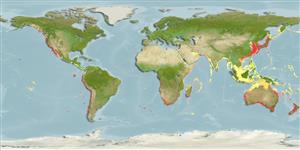
| Native range | All suitable habitat | Point map | Year 2050 |
|
| This map was computer-generated and has not yet been reviewed. |
| Sardinops sagax AquaMaps Data sources: GBIF OBIS |
را بارگذاری کني تصاوير و فيلم ها
عکس ها | فيلم ها | تمبر، سکه، متفرقه. | تصوير گوگل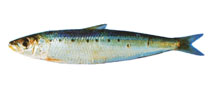 Sardinops sagax
عکس از SeaFIC
عکس ها | فيلم ها | تمبر، سکه، متفرقه. | تصوير گوگل
عکس از SeaFIC
رده بندی / نامها اسامي عام | مترادف | Catalog of Fishes(جنس, گونه ها) | ITIS | CoL | WoRMS | Cloffa
> Clupeiformes (Herrings) > Alosidae (Shads and Sardines)
Etymology: Sardinops: Latin and Greek, sarda = sardine; name related to the island of Sardinia + Greek, ops = appearance (Ref. 45335); sagax: From the latin word 'sagax' which means of quick perception, acute, or alert (Ref. 6885).
More on author: Jenyns.
Etymology: Sardinops: Latin and Greek, sarda = sardine; name related to the island of Sardinia + Greek, ops = appearance (Ref. 45335); sagax: From the latin word 'sagax' which means of quick perception, acute, or alert (Ref. 6885).
More on author: Jenyns.
محیط زیست: محیط زیست / منطقه آب و هوایی / تغييرات عمق / محدوده توزیع بوم شناسي
دريايي pelagic-neritic; اقیانوس رو (Ref. 138310); تغييرات عمق 0 - 200 m (Ref. 188). Subtropical; 9°C - 21°C (Ref. 6390); 61°N - 47°S, 145°W - 180°E (Ref. 36641)
پراكنش سرزمینها | مناطق سازمان خوار و بار جهاني (FAO) | اکوسیستمها | ظهور | نقشه نقطه ای | معرفي | Faunafri
Indo-Pacific: southern Africa to eastern Pacific (Ref. 27267). Three lineages were confirmed through cluster and parsimony analyses of haplotypic divergences: southern Africa (ocellatus) and Australia (neopilchardus); Chile (sagax) and California (caeruleus); and, Japan (melanostictus) (Ref. 36641).
طول در اولین بلوغ / اندازه / وزن / سن
بلوغ: Lm 9.0 range ? - ? cm
Max length : 39.5 cm SL جنس نر / بدون خواص جنسي; (Ref. 9291); common length : 20.0 cm SL جنس نر / بدون خواص جنسي; (Ref. 188); بيشينه وزن گزارش شده: 486.00 g (Ref. 6885); بيشينه سن گزارش شده: 25 سال ها (Ref. 188)
Max length : 39.5 cm SL جنس نر / بدون خواص جنسي; (Ref. 9291); common length : 20.0 cm SL جنس نر / بدون خواص جنسي; (Ref. 188); بيشينه وزن گزارش شده: 486.00 g (Ref. 6885); بيشينه سن گزارش شده: 25 سال ها (Ref. 188)
توصيف مختصر كليدهاي شناسايي | ريخت شناسي | ريخت ستجي بوسيله انداره گيري
خارهاي باله پشتي (کل) : 0; شعاع نرم باله پشتي (کل) : 13 - 21; خارهاي باله مخرجي: 0; شعاع نرم باله مخرجي: 12 - 23; مهره ها: 48 - 54. Body cylindrical and elongate; ventral part of operculum with clear cut bony striae radiating downwards; belly rounded with ventral scutes; back blue green; flanks white, with 1 to 3 series of dark spots along the middle (Ref. 55763). The radiating bony striae on the operculum distinguish this species from all other clupeids in the area. The radiating bony striae on the operculum distinguish this fish from all other clupeids in the area. In New Zealand the species appears to grow larger (21.3 cm standard length; cf. 19.7 cm), has slightly larger eggs and a higher mean number of vertebrae (50.52; cf. 49 to 50.08 in various samples) (Ref. 859).
Body shape (shape guide): fusiform / normal; Cross section: compressed.
Body shape (shape guide): fusiform / normal; Cross section: compressed.
Neritic (Ref. 11230). A coastal species that forms large schools (Ref. 188). Adults occur at temperatures ranging from 16° to 23°C in summer and from 10° to 18°C in winter. They feed mainly on planktonic crustaceans. Young fish feed on zooplankton such as copepod and adults on phytoplankton (Ref. 39882). Oviparous, with pelagic eggs, and pelagic larvae (Ref. 265). Possibly can live up to 25 years (Ref. 265). In the California region, pilchards make northward migrations early in summer and travel back south again in autumn. With each year of life, the migration becomes farther (Ref. 6885). Marketed fresh, frozen or canned. Utilized mainly for fish meal; but also eaten fried and broiled (Ref. 9988). Main source of landing: NE Pacific: Mexico (Ref. 4931).
چرخه زندگی و رفتار جفتگیری بلوغ | تولید مثل | تخم ریزی | تخم ها | باروری | توزاد ( لارو)
Oviparous (Ref. 265). In the Gulf of California, some individuals spawn in their first year, but most in their second (Ref. 188).
In Australia (as S. neopilchardus), this species breeds in spring and summer in southern part of range, and in summer and autumn in northern part, apparently related to seasonal movement of the limiting 14°C and 21°C isotherms, then autumn to early spring (Ref. 6390). It was believed that individual Australian pilchards only spawn once or twice in a season (Ref. 26422, 26424), but research on related species suggests that they may spawn a number of times (Ref. 6882). Batch fecundities range from about 10,000 eggs in 13 cm long females to about 45,000 eggs in females of about 18 cm (Ref. 26420).
مآخذ اصلی
مراجع خود را بارگذاری کنید | مراجع | هماهنگ كننده | همكاران
Whitehead, P.J.P., 1985. FAO Species Catalogue. Vol. 7. Clupeoid fishes of the world (suborder Clupeoidei). An annotated and illustrated catalogue of the herrings, sardines, pilchards, sprats, shads, anchovies and wolf-herrings. FAO Fish. Synop. 125(7/1):1-303. Rome: FAO. (Ref. 188)
وضعيت در فهرست قرمز IUCN (Ref. 130435: Version 2025-2 (Global))
حداقل نگرانی (LC) ; Date assessed: 18 July 2018
CITES
Not Evaluated
خطر برای انسان ها
Harmless
استفاده انسانی
ماهي گيري – شيلات: با ارزش تجاري بالا; طعمه: usually
FAO - ماهي گيري – شيلات: فرودها, نمايه گونه; Publication: search | FishSource | دریای اطراف ما
اطلاعات بيشتر
پویایی جمعیت
پارامترهای رشد
حداکثر سن/اندازه
نسبت طول-وزن.
طول-طول نسبی.
نوسانات طولی
تبدیل انبوه
بازسازی
فراواني
پارامترهای رشد
حداکثر سن/اندازه
نسبت طول-وزن.
طول-طول نسبی.
نوسانات طولی
تبدیل انبوه
بازسازی
فراواني
چرخه زندگی
تولید مثل
بلوغ
بلوغ/آبششها
باروری
تخم ریزی
تجمعات تخمریزی
تخم ها
نمو تخم
توزاد ( لارو)
پويايي لاروي
تولید مثل
بلوغ
بلوغ/آبششها
باروری
تخم ریزی
تجمعات تخمریزی
تخم ها
نمو تخم
توزاد ( لارو)
پويايي لاروي
فیزیولوژی
ترکیب بدن
مواد مغذی
مصرف اکسیژن
نوع شنا
سرعت شنا
رنگدانههای بصری
صدای ماهی
بیماریها و انگلها
سمیت (LC50s)
ترکیب بدن
مواد مغذی
مصرف اکسیژن
نوع شنا
سرعت شنا
رنگدانههای بصری
صدای ماهی
بیماریها و انگلها
سمیت (LC50s)
ابزارها
کتاب الکترونیکی | راهنماي صحرايي | كليدهاي شناسايي | امكان نرم افزاري بسامد طولي | ابزار تاريخ زيستي | نقشه نقطه ای |
گرفتن-MSY |
گزارش های ويژه
راجع به نگهداری آکواريم ملاحظه کنيد | برگه اطلاعات و مشخصات گونه ها را ملاحظه کنيد | برگه اطلاعات و مشخصات آبزی پروری را ببينيد
بارگيری XML
منابع اينترنتي
AFORO (otoliths) | Aquatic Commons | BHL | Cloffa | Websites from users | فيش واچر را ببينيد | CISTI | Catalog of Fishes: جنس, گونه ها | DiscoverLife | ECOTOX | FAO - ماهي گيري – شيلات: فرودها, نمايه گونه; Publication: search | Faunafri | Fishipedia | Fishtrace | GloBI | Google Books | Google Scholar | Google | IGFA World Record | پايگاه هاي داده ها | OceanAdapt | OneZoom | Open Tree of Life | OsteoBase: skull, spine | Otolith Atlas of Taiwan Fishes | آکواریوم عمومی | PubMed | Reef Life Survey | Socotra Atlas | TreeBase | Tree of Life | Wikipedia: برو, جستجو | World Records Freshwater Fishing | سوابق جانورشناسی
تخمینها بر اساس مدلها
دمای ترجیحی (مرجع 123201): 9.5 - 25.2, mean 17.9 °C (based on 938 cells).
شاخص تنوع فیلوژنتیکی (مرجع 82804): PD50 = 1.0000 [Uniqueness, from 0.5 = low to 2.0 = high].
Bayesian length-weight: a=0.00776 (0.00640 - 0.00942), b=3.10 (3.05 - 3.15), in cm total length, based on LWR estimates for this species (Ref. 93245).
سطح تروفیک (مرجع 69278): 2.8 ±0.1 se; based on diet studies.
Generation time: 2.6 (2.2 - 2.8) years. Estimated as median ln(3)/K based on 58 growth studies.
جهندگی (مرجع 120179): متوسط, كمينه زمان لازم براي دو برابر شدن جمعيت 4/1 – 4/4 سال (K=0.45; tm=2; tmax=13-25; Fec=10,000).
Prior r = 0.54, 95% CL = 0.36 - 0.81, Based on 6 full stock assessments.
مواد مغذی (Ref. 124155): Calcium = 185 [49, 457] mg/100g; Iron = 2.12 [0.69, 5.66] mg/100g; Protein = 20.5 [17.9, 22.6] %; Omega3 = 0.762 [0.385, 1.536] g/100g; Selenium = 43.3 [13.0, 137.7] μg/100g; VitaminA = 14.8 [2.9, 62.4] μg/100g; Zinc = 1.85 [0.57, 3.60] mg/100g (wet weight); based on nutrient studies.