



ເພີ່ມການສັງເກດຂອງທ່ານໃນ Fish Watcher
| Native range | All suitable habitat | Point map | Year 2050 |

|
| This map was computer-generated and has not yet been reviewed. |
| Lophiodes endoi AquaMaps Data sources: GBIF OBIS |
ອັບໂຫລດຂອງທ່ານ ຮູບພາບ ແລະ ວິດີໂອ
ຮູບ | Google image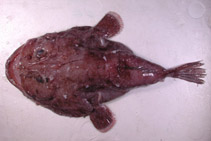 Lophiodes endoi
ຮູບພາບໂດຍ Shao, K.T.
ຮູບ | Google image
ຮູບພາບໂດຍ Shao, K.T.
ການຈັດປະເພດ / ຊື່ ຊື່ສາມັນ | ຄຳສັບຄ້າຍຄືກັນ | Catalog of Fishes(ຕະກຸນ, ຊະນິດ) | ITIS | CoL | WoRMS | Cloffa
> Lophiiformes (Anglerfishes) > Lophiidae (Goosefishes)
Etymology: Lophiodes: Greek, lophos = crest + Greek, suffix oides = similar to (Ref. 45335); endoi: Lophiodes endoi is named in honor of Dr. Hiromitsu Endo, Associate Professor of Faculty of Science, Kochi University, in recognition of his excellent work in ichthyology, his friendship, and for supplying specimens for this study.
Eponymy: Dr Hiromitsu Endo (d: 1964) of the Laboratory of Marine Biology is a Professor (since 1996) in the Faculty of Science, Kochi University, and Curator there. [...] (Ref. 128868), visit book page.
Etymology: Lophiodes: Greek, lophos = crest + Greek, suffix oides = similar to (Ref. 45335); endoi: Lophiodes endoi is named in honor of Dr. Hiromitsu Endo, Associate Professor of Faculty of Science, Kochi University, in recognition of his excellent work in ichthyology, his friendship, and for supplying specimens for this study.
Eponymy: Dr Hiromitsu Endo (d: 1964) of the Laboratory of Marine Biology is a Professor (since 1996) in the Faculty of Science, Kochi University, and Curator there. [...] (Ref. 128868), visit book page.
ສະພາບແວດລ້ອມ: ສະພາບແວດລ້ອມ / ເຂດດິນຟ້າອາກາດ / ລະດັບຄວາມເລິກ / ຂອບເຂດການແຈກຢາຍ ນິເວດວິທະຍາ
ສັດທະເລ ກ່ຽວກັບ (ຢູ່)ເທິງຊັ້ນພື້ນດິນໃນທະເລເປີດ; ລະດັບຄວາມເລິກ 261 - 750 m (Ref. 79601). Temperate
ການແຜ່ກະຈາຍ ອານາເຂດ | ເຂດ FAO | ລະບົບນິເວດ | ການປະກົດຕົວ | ຈຸດໃດໜຶ່ງທີ່ສະແດງອອກໃນແຜນທີ່ (ພ້ອມທັງສະແດງຂໍ້ມູນເພີ້ນເຕີມ) | ການແນະນຳ | Faunafri
Western Pacific: off Japan, Taiwan and Australia. Collected from southeastern Japan (Okinawa trough, Tosa Bay, and Kyushu–Palau Ridge) at depth range 261–600 m. In Taiwanese waters this species is usually captured together with Lophiodes mutilus at depths of about 280–310 m, and some may range deeper. Specimens were collected from the Tasman Sea of southeastern Australia at depths of 300–750 m, and a series of photographs were taken of a specimen at a depth of 288 m at Greenwell Point, New South Wales, Australia, by an underwater vehicle (K. Aitken, personal communication, 20 March 2005). Two specimens were collected from the northwest shelf off Australia at depths of 492–520 m (Ref. 79601).
ຂະໜາດ / ນ້ຳໜັກ / ອາຍຸ
ຄຳອະທິບາຍສັ້ນໆ ຕົວທີ່ໃຊ້ໃນການຈຳແນກຊະນິດ | ສະລີລະວິທະຍາ | ການວັດແທກຮູບຮ່າງລັກສະນະພາຍນອກຂອງດິນ,ສັດ,ປາ…
A species of the Lophiodes mutilus group differing from congeners by the following characters: a rounded esca with paler tip; third dorsal spine bearing a pair of black tendrils located at two-thirds of illicial length; 18–22 (mainly 20–21) pectoral fin rays; a relatively short head (33.4–39.6% SL); a relatively short illicium (16.5–26.7% SL); a relatively short third dorsal spine (30.0–42.3% SL); fifth dorsal spine relatively long, when folded back reaching base of third dorsal fin ray, and anterior frontal spine enlarged (Ref. 79601).
Tail cylindrical, somewhat depressed, tapering posteriorly; eye large; gill openings extending in front of pectoral fins; both maxilla and frontal ridge smooth, without knobs; frontal divided into three spines, anterior one enlarged, directed forward, sometimes divided into two sub-spines; sphenotic with two spines, inner spine well developed, straight and directed upward; inner frontal spine present in specimens smaller than 300 mm and reduced in specimens larger than 300 mm; single interopercular spine; parietal spine present at either side of third dorsal spine base, reduced in larger specimens; hyomandibula with two spines, anterior spine smaller, becoming blunt with three knobs in larger specimens; humeral spine well developed with three to four spines. All dorsal fin spines, except for the third, devoid of tendrils; second to sixth dorsal spines bearing a tiny dark bulb at tip in most specimens; illicium lightly pigmented, relatively short (16.5–26.7% SL), when folded back reaching third dorsal spine base, reaching sphenotic spines in larger specimens; esca a rounded bulb, slightly darker than illicium, tip pale; second dorsal spine slightly longer than illicium, when folded back reaching between third dorsal spine base and end of neurocranium; third dorsal spine relatively short (30.0–42.3% SL), bearing one pair of darkly pigmented tendrils at about two-thirds its length, when folded back reaches third dorsal fin ray base, reaching origin of soft dorsal fin in larger specimens; fourth dorsal spine absent; fifth dorsal spine relatively long, when folded back reaching base of third dorsal fin ray, reaching origin of soft dorsal fin in larger specimens; sixth dorsal spine very short, when folded back not reaching origin of dorsal fin, embedded under skin in larger specimens. Anal fin extending beyond caudal fin base in smaller specimens, reaching caudal fin base in larger specimens (Ref. 79601).
Coloration in life: based on a series of underwater photographs of a male specimen taken from Greenwell Point, New South Wales, Australia: dorsal surface pale brown with numerous medium-sized, diffuse light blue or gray patches; illicium paler; esca darker at base and paler at tip; some darker patches associated with head spines and upper jaw; pectoral fin margin pale, dorsal surface with some diffuse pale blue spots (Ref. 79601).
Body shape (shape guide): short and / or deep.
Body shape (shape guide): short and / or deep.
ວົງຈອນຊີວິດ ແລະພຶດຕິກໍາການຫາຄູ່ ການຈະເລີນເຕັມໄວ | ການສືບພັນ | ການວາງໄຂ່ | ໄຂ່ | ຄວາມດົກຂອງໄຂ່ປາ | ຕົວອ່ອນ
ເອກະສານອ້າງອີງຫຼັກ
ອັບໂຫລດເອກະສານອ້າງອີງຂອງທ່ານ | ເອກະສານອ້າງອີງ | ຜູ້ປະສານງານ : Ho, Hsuan-Ching | ຜູ້ຮ່ວມມື
Ho, H.-C. and K.-T. Shao, 2008. A new species of anglerfish (Lophiidae: Lophiodes) from the western Pacific. Ichthyol. Res. 55(4):367-373. (Ref. 79601)
ສະຖານະພາບບັນຊີແດງຂອງ IUCN (Ref. 130435: Version 2025-2 (Global))
Least Concern (LC) ; Date assessed: 12 August 2019
CITES
Not Evaluated
ໄພຂົ່ມຂູ່ຕໍ່ມະນຸດ
Harmless
ການນໍາໃຊ້ຂອງມະນຸດ
FAO - Publication: search | FishSource |
ຂໍ້ມູນຕື່ມອີກ
ນິເວດວິທະຍາເຂດຮ້ອນ
ລາຍການອາຫານ (ຜູ້ຖືກລ້າ)
ອົງປະກອບຂອງອາຫານ
ການບໍລິໂພກອາຫານ
ຄາບອາຫານ
ຜູ້ລ້າ
ລາຍການອາຫານ (ຜູ້ຖືກລ້າ)
ອົງປະກອບຂອງອາຫານ
ການບໍລິໂພກອາຫານ
ຄາບອາຫານ
ຜູ້ລ້າ
ນິເວດວິທະຍາ
ນິເວດວິທະຍາ
ນິເວດວິທະຍາ
ນະໂຍບາຍດ້ານປະຊາກອນ
ຕົວວັດແທກການເຕີບໃຫຍ່
ສູງສຸດ. ອາຍຸ / ຂະຫນາດ
ຄວາມຍາວ-ນ້ໍາຫນັກ rel.
ຄວາມຍາວ - ຄວາມຍາວ rel.
ຄວາມຖີ່ຄວາມຍາວ
ການແປງມະຫາຊົນ
ການທົດແທນທີ່
ຄວາມອຸດົມສົມບູນ
ຕົວວັດແທກການເຕີບໃຫຍ່
ສູງສຸດ. ອາຍຸ / ຂະຫນາດ
ຄວາມຍາວ-ນ້ໍາຫນັກ rel.
ຄວາມຍາວ - ຄວາມຍາວ rel.
ຄວາມຖີ່ຄວາມຍາວ
ການແປງມະຫາຊົນ
ການທົດແທນທີ່
ຄວາມອຸດົມສົມບູນ
ວົງຈອນຊີວິດ
ການສືບພັນ
ການຈະເລີນເຕັມໄວ
ການເຕີບໃຫຍ່ / Gills rel.
ຄວາມດົກຂອງໄຂ່ປາ
ການວາງໄຂ່
ການລວບລວມການວາງໄຂ່
ໄຂ່
ການພັດທະນາໄຂ່
ຕົວອ່ອນ
ການປ່ຽນແປງຂອງຕົວອ່ອນ
ການສືບພັນ
ການຈະເລີນເຕັມໄວ
ການເຕີບໃຫຍ່ / Gills rel.
ຄວາມດົກຂອງໄຂ່ປາ
ການວາງໄຂ່
ການລວບລວມການວາງໄຂ່
ໄຂ່
ການພັດທະນາໄຂ່
ຕົວອ່ອນ
ການປ່ຽນແປງຂອງຕົວອ່ອນ
ຮ່າງກາຍ
ເນື້ອທີ່ເຫືອກ
ສະໝອງ
ໂອໂຕລິດ
ເນື້ອທີ່ເຫືອກ
ສະໝອງ
ໂອໂຕລິດ
ຟີຊິກສາດ
ອົງປະກອບຂອງຮ່າງກາຍ
ທາດອາຫານ
ການບໍລິໂພກອົກຊີເຈນ
ປະເພດລອຍ
ຄວາມໄວໃນການລອຍ
ເມັດສີທີ່ເບິ່ງເຫັນ
ສຽງປາ
ພະຍາດ & ກາຝາກ
ຄວາມເປັນພິດ (LC50s)
ອົງປະກອບຂອງຮ່າງກາຍ
ທາດອາຫານ
ການບໍລິໂພກອົກຊີເຈນ
ປະເພດລອຍ
ຄວາມໄວໃນການລອຍ
ເມັດສີທີ່ເບິ່ງເຫັນ
ສຽງປາ
ພະຍາດ & ກາຝາກ
ຄວາມເປັນພິດ (LC50s)
ກຳມະພັນ
ພັນທຸ ກຳ
ກຳມະພັນ
Heterozygosity
ການຖ່າຍທອດທາງກຳມະພັນຈາກພໍ່ແມ່ຫາລູກ
ຄວາມຫຼາກຫຼາຍທາງພັນທຸກໍາ
ພັນທຸ ກຳ
ກຳມະພັນ
Heterozygosity
ການຖ່າຍທອດທາງກຳມະພັນຈາກພໍ່ແມ່ຫາລູກ
ຄວາມຫຼາກຫຼາຍທາງພັນທຸກໍາ
ມະນຸດທີ່ກ່ຽວຂ້ອງ
ລະບົບການລ້ຽງປາ
ຂໍ້ມູນການລ້ຽງສັດນ້ຳ
ສາຍພັນ
ກໍລະນີ Ciguatera
ສະແຕມ, ຫຼຽນ, ອື່ນໆ.
ລະບົບການລ້ຽງປາ
ຂໍ້ມູນການລ້ຽງສັດນ້ຳ
ສາຍພັນ
ກໍລະນີ Ciguatera
ສະແຕມ, ຫຼຽນ, ອື່ນໆ.
ເຄື່ອງມື
E-book | ຄູ່ມືພາກສະໜາມ | ຄວາມຖີ່ຂອງຄວາມຍາວປາ | ເຄື່ອງມືຂອງຊີວະປະຫວັດທາງດ້ານຊີວິດ | ຈຸດໃດໜຶ່ງທີ່ສະແດງອອກໃນແຜນທີ່ (ພ້ອມທັງສະແດງຂໍ້ມູນເພີ້ນເຕີມ) |
ຈັບ-MSY |
ບົດລາຍງານພິເສດ
ກວດສອບການບໍາລຸງຮັກສາຕູ້ປາ | ກວດເບິ່ງເອກະສານຄວາມຈິງຂອງຊະນິດ | ກວດເບິ່ງເອກະສານຄວາມເປັນຈິງການລ້ຽງສັດນ້ຳ
ດາວໂຫລດ XML
ແຫຼ່ງອີນເຕີເນັດ
AFORO (otoliths) | Aquatic Commons | BHL | Cloffa | Websites from users | Check FishWatcher | CISTI | Catalog of Fishes: ຕະກຸນ, ຊະນິດ | DiscoverLife | ECOTOX | FAO - Publication: search | Faunafri | Fishipedia | Fishtrace | GloBI | Google Books | Google Scholar | Google | IGFA World Record | ຖານຂໍ້ມູນແຫ່ງຊາດ | OneZoom | Open Tree of Life | Otolith Atlas of Taiwan Fishes | PubMed | Reef Life Survey | Socotra Atlas | TreeBase | ແຜນທີ່ສະແດງກິ່ງງ່າຂອງເຊື້ອຕະກຸນປາ, ສັດ ຈາກບັນພະບູລຸດຈົນເຖິງຫລານ | Wikipedia: Go, ຊອກຫາ | World Records Freshwater Fishing | Zoobank | ການບັນທຶກດ້ານສັດວິທະຍາ
ການຄາດຄະເນໂດຍອີງໃສ່ແບບຈໍາລອງ
ອຸນຫະພູມທີ່ຕ້ອງການ (ເອກະສານອ້າງອີງ 123201): 7 - 12.7, mean 9.3 °C (based on 150 cells).
ດັດຊະນີຄວາມຫຼາກຫຼາຍທາງຊີວະພາບ (ເອກະສານອ້າງອີງ 82804): PD50 = 0.5000 [Uniqueness, from 0.5 = low to 2.0 = high].
Bayesian length-weight: a=0.01905 (0.00877 - 0.04141), b=3.01 (2.82 - 3.20), in cm total length, based on LWR estimates for this (Sub)family-body shape (Ref. 93245).
ຊັ້ນເຂດຮ້ອນ (ເອກະສານອ້າງອີງ 69278): 4.5 ±0.8 se; based on size and trophs of closest relatives
ຄວາມຢືດຢຸ່ນ (ເອກະສານອ້າງອີງ 120179): ຂະໜາດກາງ, ປະຊາກອນຕຳ່ສຸດທີ່ໃຊ້ເວລາສອງເທົ່າ 1.4 - 4.4 ປີ (Preliminary K or Fecundity.).