



Peckoltia ephippiata Armbruster, Werneke & Tan, 2015
ອັບໂຫລດຂອງທ່ານ ຮູບພາບ ແລະ ວິດີໂອ
Google image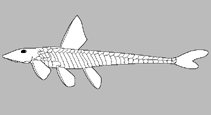 No image available for this species;
drawing shows typical species in Loricariidae.
Google image
drawing shows typical species in Loricariidae.
ການຈັດປະເພດ / ຊື່ ຊື່ສາມັນ | ຄຳສັບຄ້າຍຄືກັນ | Catalog of Fishes(ຕະກຸນ, ຊະນິດ) | ITIS | CoL | WoRMS | Cloffa
> Siluriformes (Catfishes) > Loricariidae (Armored catfishes) > Hypostominae
Etymology: Peckoltia: Because of Gustavo Peckolt,member of the Natural History Commission of Rondon (Ref. 45335); ephippiata: Name from Latin 'ephippiata' for saddled in reference to the presence of saddles in this species.
Eponymy: Gustavo Peckolt (1861–1923) was a Brazilian-born German botanist and pharmacist. [...] (Ref. 128868), visit book page.
Etymology: Peckoltia: Because of Gustavo Peckolt,member of the Natural History Commission of Rondon (Ref. 45335); ephippiata: Name from Latin 'ephippiata' for saddled in reference to the presence of saddles in this species.
Eponymy: Gustavo Peckolt (1861–1923) was a Brazilian-born German botanist and pharmacist. [...] (Ref. 128868), visit book page.
ສະພາບແວດລ້ອມ: ສະພາບແວດລ້ອມ / ເຂດດິນຟ້າອາກາດ / ລະດັບຄວາມເລິກ / ຂອບເຂດການແຈກຢາຍ ນິເວດວິທະຍາ
; ນ້ຳຈືດ ອາໄສຢູ່ໃກ້ໜ້າດິນໃຕ້ພື້ນທ້ອງນ້ຳ. Tropical
ການແຜ່ກະຈາຍ ອານາເຂດ | ເຂດ FAO | ລະບົບນິເວດ | ການປະກົດຕົວ | ຈຸດໃດໜຶ່ງທີ່ສະແດງອອກໃນແຜນທີ່ (ພ້ອມທັງສະແດງຂໍ້ມູນເພີ້ນເຕີມ) | ການແນະນຳ | Faunafri
South America: Rio Leitão, rio Madeira drainage in Brazil.
ຂະໜາດ / ນ້ຳໜັກ / ອາຍຸ
ຄຳອະທິບາຍສັ້ນໆ ຕົວທີ່ໃຊ້ໃນການຈຳແນກຊະນິດ | ສະລີລະວິທະຍາ | ການວັດແທກຮູບຮ່າງລັກສະນະພາຍນອກຂອງດິນ,ສັດ,ປາ…
ຄີຫຼັງຂອງປາ (ຄີອ່ອນ) (ທັງໝົດ) : 9; ຄີກົ້ນຂອງປາ: 5. Peckoltia ephippiata is distinguished from P. pankimpuju by its well developed color and eyes; from all other congeners by the absence of spots or bands in the dorsal fin; from all congeners except P. greedoi by having small, very faint spots on the head (vs. large spots, mottling, short lines, or thick dark areas, always much more intense than the weak spots in P. ephippiata; P. greedoi has a uniformly dark head, but the small faint spots of P. ephippiata can appear uniformly dark without closer inspection); from all congeners except P. furcata, P. greedoi, P. lujani, P. pankimpuju, and P. sabaji by having the dentaries meet at an angle greater than 90°; from P. greedoi and P. lujani by the absence of bands in the dorsal fin, rays light and membranes dark (vs. bands present), by having more teeth, 39-72 dentary, 41-73 premaxillary (vs. 16-39 dentary, 20-38 premaxillary in P. greedoi; and 20-37 dentary, 23-45 premaxillary in P. lujani:), by having slight keels on the lateral plates, particularly the median series (vs. keels absent), and by having platelets on the central region of the abdomen posterior to the pectoral girdle present (vs. platelets maximally present below pectoral girdle and in a narrow, lateral column just posterior to pectoral fin, and below pelvic girdle); and from P. lujani by having the pectoral-fin spine relaxed position angled dorsally, pointing at insertion of dorsal fin (vs. pectoral-fin spine angled only slightly dorsally, pointing maximally to dorsal insertion of caudal fin) and by the pectoral-fin spine reaching two or more plates of the ventral series beyond the pelvic base when adpressed ventral to pelvic fin (vs. less than one plate).
It can be diagnosed from Etsaputu by having greater than six evertible cheek odontodes, the largest of which extends posterior to the eye (vs. six or fewer, the largest not extending beyond the exposed portion of the opercle); from Hemiancistrus (except ‘H.’ landoni) and Ancistomus by having prominent dorsal saddles (vs. dark or light spots or entirely dark); and from all Hemiancistrus and Ancistomus by having bands in the caudal fin and no free spots (vs. bands absent or present with some free spots). It differs rom Peckoltichthys bachi by having small, faint spots on the head (vs. large dark spots or mottling); by having the eyes high on the head with the dorsal rim of the orbit higher than the interorbital space (vs. low on the head, dorsal rim of orbit lower than interorbital space), and by having small plates on the abdomen (vs. relatively large) (Ref. 99824).
Body shape (shape guide): elongated.
Body shape (shape guide): elongated.
Facultative air-breathing in the genus (Ref. 126274)
ວົງຈອນຊີວິດ ແລະພຶດຕິກໍາການຫາຄູ່ ການຈະເລີນເຕັມໄວ | ການສືບພັນ | ການວາງໄຂ່ | ໄຂ່ | ຄວາມດົກຂອງໄຂ່ປາ | ຕົວອ່ອນ
ເອກະສານອ້າງອີງຫຼັກ
ອັບໂຫລດເອກະສານອ້າງອີງຂອງທ່ານ | ເອກະສານອ້າງອີງ | ຜູ້ປະສານງານ : Fisch-Muller, Sonia | ຜູ້ຮ່ວມມື
Armbruster, J.W., D.C. Werneke and M. Tan, 2015. Three new species of saddled loricariid catfishes, and a review of Hemiancistrus, Peckoltia, and allied genera (Siluriformes). Zookeys 480:97-123. (Ref. 99824)
CITES
Not Evaluated
ໄພຂົ່ມຂູ່ຕໍ່ມະນຸດ
Harmless
ການນໍາໃຊ້ຂອງມະນຸດ
FAO - Publication: search | FishSource |
ຂໍ້ມູນຕື່ມອີກ
ນິເວດວິທະຍາເຂດຮ້ອນ
ລາຍການອາຫານ (ຜູ້ຖືກລ້າ)
ອົງປະກອບຂອງອາຫານ
ການບໍລິໂພກອາຫານ
ຄາບອາຫານ
ຜູ້ລ້າ
ລາຍການອາຫານ (ຜູ້ຖືກລ້າ)
ອົງປະກອບຂອງອາຫານ
ການບໍລິໂພກອາຫານ
ຄາບອາຫານ
ຜູ້ລ້າ
ນະໂຍບາຍດ້ານປະຊາກອນ
ຕົວວັດແທກການເຕີບໃຫຍ່
ສູງສຸດ. ອາຍຸ / ຂະຫນາດ
ຄວາມຍາວ-ນ້ໍາຫນັກ rel.
ຄວາມຍາວ - ຄວາມຍາວ rel.
ຄວາມຖີ່ຄວາມຍາວ
ການແປງມະຫາຊົນ
ການທົດແທນທີ່
ຄວາມອຸດົມສົມບູນ
ຕົວວັດແທກການເຕີບໃຫຍ່
ສູງສຸດ. ອາຍຸ / ຂະຫນາດ
ຄວາມຍາວ-ນ້ໍາຫນັກ rel.
ຄວາມຍາວ - ຄວາມຍາວ rel.
ຄວາມຖີ່ຄວາມຍາວ
ການແປງມະຫາຊົນ
ການທົດແທນທີ່
ຄວາມອຸດົມສົມບູນ
ວົງຈອນຊີວິດ
ການສືບພັນ
ການຈະເລີນເຕັມໄວ
ການເຕີບໃຫຍ່ / Gills rel.
ຄວາມດົກຂອງໄຂ່ປາ
ການວາງໄຂ່
ການລວບລວມການວາງໄຂ່
ໄຂ່
ການພັດທະນາໄຂ່
ຕົວອ່ອນ
ການປ່ຽນແປງຂອງຕົວອ່ອນ
ການສືບພັນ
ການຈະເລີນເຕັມໄວ
ການເຕີບໃຫຍ່ / Gills rel.
ຄວາມດົກຂອງໄຂ່ປາ
ການວາງໄຂ່
ການລວບລວມການວາງໄຂ່
ໄຂ່
ການພັດທະນາໄຂ່
ຕົວອ່ອນ
ການປ່ຽນແປງຂອງຕົວອ່ອນ
ຮ່າງກາຍ
ເນື້ອທີ່ເຫືອກ
ສະໝອງ
ໂອໂຕລິດ
ເນື້ອທີ່ເຫືອກ
ສະໝອງ
ໂອໂຕລິດ
ຟີຊິກສາດ
ອົງປະກອບຂອງຮ່າງກາຍ
ທາດອາຫານ
ການບໍລິໂພກອົກຊີເຈນ
ປະເພດລອຍ
ຄວາມໄວໃນການລອຍ
ເມັດສີທີ່ເບິ່ງເຫັນ
ສຽງປາ
ພະຍາດ & ກາຝາກ
ຄວາມເປັນພິດ (LC50s)
ອົງປະກອບຂອງຮ່າງກາຍ
ທາດອາຫານ
ການບໍລິໂພກອົກຊີເຈນ
ປະເພດລອຍ
ຄວາມໄວໃນການລອຍ
ເມັດສີທີ່ເບິ່ງເຫັນ
ສຽງປາ
ພະຍາດ & ກາຝາກ
ຄວາມເປັນພິດ (LC50s)
ກຳມະພັນ
ພັນທຸ ກຳ
ກຳມະພັນ
Heterozygosity
ການຖ່າຍທອດທາງກຳມະພັນຈາກພໍ່ແມ່ຫາລູກ
ຄວາມຫຼາກຫຼາຍທາງພັນທຸກໍາ
ພັນທຸ ກຳ
ກຳມະພັນ
Heterozygosity
ການຖ່າຍທອດທາງກຳມະພັນຈາກພໍ່ແມ່ຫາລູກ
ຄວາມຫຼາກຫຼາຍທາງພັນທຸກໍາ
ມະນຸດທີ່ກ່ຽວຂ້ອງ
ລະບົບການລ້ຽງປາ
ຂໍ້ມູນການລ້ຽງສັດນ້ຳ
ສາຍພັນ
ກໍລະນີ Ciguatera
ສະແຕມ, ຫຼຽນ, ອື່ນໆ.
ລະບົບການລ້ຽງປາ
ຂໍ້ມູນການລ້ຽງສັດນ້ຳ
ສາຍພັນ
ກໍລະນີ Ciguatera
ສະແຕມ, ຫຼຽນ, ອື່ນໆ.
ເຄື່ອງມື
E-book | ຄູ່ມືພາກສະໜາມ | ຄວາມຖີ່ຂອງຄວາມຍາວປາ | ເຄື່ອງມືຂອງຊີວະປະຫວັດທາງດ້ານຊີວິດ | ຈຸດໃດໜຶ່ງທີ່ສະແດງອອກໃນແຜນທີ່ (ພ້ອມທັງສະແດງຂໍ້ມູນເພີ້ນເຕີມ) |
ຈັບ-MSY |
ບົດລາຍງານພິເສດ
ກວດສອບການບໍາລຸງຮັກສາຕູ້ປາ | ກວດເບິ່ງເອກະສານຄວາມຈິງຂອງຊະນິດ | ກວດເບິ່ງເອກະສານຄວາມເປັນຈິງການລ້ຽງສັດນ້ຳ
ດາວໂຫລດ XML
ແຫຼ່ງອີນເຕີເນັດ
AFORO (otoliths) | Aquatic Commons | BHL | Cloffa | Websites from users | Check FishWatcher | CISTI | Catalog of Fishes: ຕະກຸນ, ຊະນິດ | DiscoverLife | ECOTOX | FAO - Publication: search | Faunafri | Fishipedia | Fishtrace | GloBI | Google Books | Google Scholar | Google | IGFA World Record | OneZoom | Open Tree of Life | Otolith Atlas of Taiwan Fishes | PubMed | Reef Life Survey | Socotra Atlas | TreeBase | ແຜນທີ່ສະແດງກິ່ງງ່າຂອງເຊື້ອຕະກຸນປາ, ສັດ ຈາກບັນພະບູລຸດຈົນເຖິງຫລານ | Wikipedia: Go, ຊອກຫາ | World Records Freshwater Fishing | Zoobank | ການບັນທຶກດ້ານສັດວິທະຍາ
ການຄາດຄະເນໂດຍອີງໃສ່ແບບຈໍາລອງ
ດັດຊະນີຄວາມຫຼາກຫຼາຍທາງຊີວະພາບ (ເອກະສານອ້າງອີງ 82804): PD50 = 0.5000 [Uniqueness, from 0.5 = low to 2.0 = high].
Bayesian length-weight: a=0.01549 (0.00726 - 0.03306), b=2.96 (2.79 - 3.13), in cm total length, based on LWR estimates for this (Sub)family-body shape (Ref. 93245).
ຄວາມຢືດຢຸ່ນ (ເອກະສານອ້າງອີງ 120179): ສູງ, ປະຊາກອນຕຳ່ສຸດທີ່ໃຊ້ເວລາສອງໜ້ອຍກວ່າ 15 ເດືອນ (Preliminary K or Fecundity.).