



ອັບໂຫລດຂອງທ່ານ ຮູບພາບ ແລະ ວິດີໂອ
ຮູບ | Google image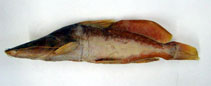 Bagrus bajad
ຮູບພາບໂດຍ Musschoot, T.
ຮູບ | Google image
ຮູບພາບໂດຍ Musschoot, T.
ການຈັດປະເພດ / ຊື່ ຊື່ສາມັນ | ຄຳສັບຄ້າຍຄືກັນ | Catalog of Fishes(ຕະກຸນ, ຊະນິດ) | ITIS | CoL | WoRMS | Cloffa
> Siluriformes (Catfishes) > Bagridae (Bagrid catfishes)
Etymology: Bagrus: Mozarabic, bagre, taken from Greek, pagros = a fish (Dentex sp.) (Ref. 45335).
Etymology: Bagrus: Mozarabic, bagre, taken from Greek, pagros = a fish (Dentex sp.) (Ref. 45335).
ສະພາບແວດລ້ອມ: ສະພາບແວດລ້ອມ / ເຂດດິນຟ້າອາກາດ / ລະດັບຄວາມເລິກ / ຂອບເຂດການແຈກຢາຍ ນິເວດວິທະຍາ
; ນ້ຳຈືດ ອາໄສຢູ່ໃກ້ໜ້າດິນໃຕ້ພື້ນທ້ອງນ້ຳ; ກຸ່ມຫຼືຊະນິດປາທີ່ມີການເຄື່ອນຍ້າຍພາຍໃນນ້ຳຈືດ (Ref. 51243); ລະດັບຄວາມເລິກ ? - 60 m (Ref. 43507). Tropical; 22°C - 28°C (Ref. 12468)
ການແຜ່ກະຈາຍ ອານາເຂດ | ເຂດ FAO | ລະບົບນິເວດ | ການປະກົດຕົວ | ຈຸດໃດໜຶ່ງທີ່ສະແດງອອກໃນແຜນທີ່ (ພ້ອມທັງສະແດງຂໍ້ມູນເພີ້ນເຕີມ) | ການແນະນຳ | Faunafri
Africa: Nile River, Lake Chad, Niger and Senegal rivers, lakes Mobutu [=Lake Albert] and Turkana (Ref. 3236). Reported from Sanaga River basin (Ref. 27691).
ຄວາມຍາວໃນການເຕີບໂຕເຕັມຄັ້ງທໍາອິດ / ຂະໜາດ / ນ້ຳໜັກ / ອາຍຸ
ການຈະເລີນເຕັມໄວ: Lm 37.4, range 29 - 34 cm
Max length : 112 cm FL ຕົວຜູ້/ບໍ່ມີເພດ; (Ref. 43434); common length : 50.0 cm TL ຕົວຜູ້/ບໍ່ມີເພດ; (Ref. 13851); ນ້ຳໜັກສູງສຸດທີ່ເຄຍຈັດພີມມາ: 12.5 kg (Ref. 43434); ອາຍຸສູງສຸດທີ່ເຄຍລາຍງານມາ: 8 ປີ (Ref. 51644)
Max length : 112 cm FL ຕົວຜູ້/ບໍ່ມີເພດ; (Ref. 43434); common length : 50.0 cm TL ຕົວຜູ້/ບໍ່ມີເພດ; (Ref. 13851); ນ້ຳໜັກສູງສຸດທີ່ເຄຍຈັດພີມມາ: 12.5 kg (Ref. 43434); ອາຍຸສູງສຸດທີ່ເຄຍລາຍງານມາ: 8 ປີ (Ref. 51644)
ຄຳອະທິບາຍສັ້ນໆ ຕົວທີ່ໃຊ້ໃນການຈຳແນກຊະນິດ | ສະລີລະວິທະຍາ | ການວັດແທກຮູບຮ່າງລັກສະນະພາຍນອກຂອງດິນ,ສັດ,ປາ…
ຄີ (ໜາມ)ແຂງຢູ່ຫຼັງປາ (ທັງໝົດ) : 1; ຄີຫຼັງຂອງປາ (ຄີອ່ອນ) (ທັງໝົດ) : 8 - 12; ຄີ(ໜາມ) ແຂງຢູ່ຄີກົ້ນປາ
ກຸ່ມປາກະດູກແຂງ
ຄວາມຖີ່ຂອງກຸ່ມຖ່າຍທອດພັນ
ປາທີ່ມີການເຄື່ອນຍ້າຍຈາກທະເລໄປຫານ້ຳຈືດ ແລະນ້ຳຈືດຫາທະເລ
ປາທີ່ມີການເຄື່ອນຍ້າຍຈາກທະເລແລະໄປໄຂ່ຢູ່ນ້ຳຈືດ
ຄີກົ້ນຂອງປາ
ສັດທີ່ມີກະດູກສັນຫັຼງ
ການຖ່າຍທອດທາງກຳມະພັນຈາກພໍ່ແມ່ຫາລູກ: 0; ຄີກົ້ນຂອງປາ: 13 - 15; ສັດທີ່ມີກະດູກສັນຫຼັງ: 48 - 53. Diagnosis: head much depressed, often ridged (Ref. 4903), roundly pointed when viewed from above (Ref. 28714). Head width 1.6-2.2 times in head length (Ref. 28714, 57125) or 47.5-63% HL (Ref. 81641). Body rather elongate, 5-6 times longer than deep (Ref. 7324, 57125). Premaxillary tooth plate 6-7 times as long as broad, a little shorter than the vomerine tooth plate (Ref. 43434). Occipital process 4-6 times longer than broad (Ref. 57125). 9-11 branched dorsal-fin rays (Ref. 57125), the first prolonged into short filaments (Ref. 13851, 31256, 57125). Longest filament comprised 3-4 times in standard length (Ref. 7324, 57125). Predorsal length 2.4-2.6 times in standard length (Ref. 57125). Adipose fin long, its origin well in front of the anal fin (Ref. 28714), narrowly separated from dorsal fin (Ref. 43434). Width of premaxillary tooth plate 2.5-2.8 times in head length (Ref. 57125). Lobes of caudal fin often with short filaments (Ref. 7324, 13851, 57125). Upper caudal-fin lobe comprised 2-3 times in standard length (Ref. 57125).
Body shape (shape guide): fusiform / normal; Cross section: circular.
Body shape (shape guide): fusiform / normal; Cross section: circular.
Found in lakes, swamps and rivers (Ref. 31256). Avoids salt water (Ref. 31439). Spends nearly the whole of the daylight hours in crevices of rocks and is therefor seldom seen (Ref. 51850). Lives and feeds on or near the bottom (Ref. 3034). Adults exclusively piscivorous (Ref. 31256). Preys on small fish, particularly Alestes spp. (Ref. 13851), or Chrysichthys auratus as in Lake Kainji (Ref. 3034), but also feeds on insects, crustaceans and molluscs (some debris and vegetable matter may also be ingested) (Ref. 28714). Efficiency of catching prey catfish is maximised by face to face attack, avoiding damage by dorsal and pectoral spines of the prey (Ref. 33614). There is some indication that the species comes to shallower water to breed (Ref. 43507). Spawning season extends from April to July (Ref. 51850). Parents build and guard the nest, which is like a flat disc with a central hole where the eggs are dropped; size of the nest and the central hole depend on the fish size (Ref. 51638). Males become up to 7 years old, females 8 years (Ref. 51644). Mean sizes and weight of males are less than those of females from the same age (Ref. 51644, 51645). An important food fish. Flesh is good eating and of economic importance (Ref. 36900), commonly sold as food (Ref. 43521). Reputed to reach 100,000 g.
ວົງຈອນຊີວິດ ແລະພຶດຕິກໍາການຫາຄູ່ ການຈະເລີນເຕັມໄວ | ການສືບພັນ | ການວາງໄຂ່ | ໄຂ່ | ຄວາມດົກຂອງໄຂ່ປາ | ຕົວອ່ອນ
Reproduction takes place during high water (Ref. 2756). There is some indication that the species comes to shallower water to breed (Ref. 43507). From 4 breeding fish taken, 3 were from inshore waters and 1 from 40m depth in the open water (Ref. 49805). The nest is a relatively large depression with the shape of a flat dish and proportions relative to the size of the fish (Ref. 51638). A single well formed hole of about 10-15cm in diameter and 10-15cm depth is present nearly in the middle (Ref. 51638). Eggs are laid inside this hole (Ref. 51638). Eggs are white, having a diameter of little more than 1 millimeter (Ref. 45962). Larvae stay in the hole a couple of days after hatching (Ref. 51638). They swim above the nest when disturbed and return to hole after disturbance has stopped (Ref. 51638).
ເອກະສານອ້າງອີງຫຼັກ
ອັບໂຫລດເອກະສານອ້າງອີງຂອງທ່ານ | ເອກະສານອ້າງອີງ | ຜູ້ປະສານງານ | ຜູ້ຮ່ວມມື
Risch, L.M., 1986. Bagridae. p. 2-35. In J. Daget, J.-P. Gosse and D.F.E. Thys van den Audenaerde (eds.) Check-list of the freshwater fishes of Africa (CLOFFA). ISNB, Brussels; MRAC, Tervuren; and ORSTOM, Paris. Vol. 2. (Ref. 3236)
ສະຖານະພາບບັນຊີແດງຂອງ IUCN (Ref. 130435: Version 2025-2 (Global))
Least Concern (LC) ; Date assessed: 13 January 2020
CITES
Not Evaluated
ໄພຂົ່ມຂູ່ຕໍ່ມະນຸດ
Harmless
ການນໍາໃຊ້ຂອງມະນຸດ
ການປະມົງ: ເປັນສີນຄ້າ; ຊະນິດປາທີ່ຖືກນຳໃຊ້ເຂົ້າໃນການຫາເພື່ອເປັນເກມກິລາ: ແມ່ນ
FAO - ລະບົບການລ້ຽງປາ: ຜົນຜະລິດ; ; Publication: search | FishSource |
ຂໍ້ມູນຕື່ມອີກ
ນະໂຍບາຍດ້ານປະຊາກອນ
ຕົວວັດແທກການເຕີບໃຫຍ່
ສູງສຸດ. ອາຍຸ / ຂະຫນາດ
ຄວາມຍາວ-ນ້ໍາຫນັກ rel.
ຄວາມຍາວ - ຄວາມຍາວ rel.
ຄວາມຖີ່ຄວາມຍາວ
ການແປງມະຫາຊົນ
ການທົດແທນທີ່
ຄວາມອຸດົມສົມບູນ
ຕົວວັດແທກການເຕີບໃຫຍ່
ສູງສຸດ. ອາຍຸ / ຂະຫນາດ
ຄວາມຍາວ-ນ້ໍາຫນັກ rel.
ຄວາມຍາວ - ຄວາມຍາວ rel.
ຄວາມຖີ່ຄວາມຍາວ
ການແປງມະຫາຊົນ
ການທົດແທນທີ່
ຄວາມອຸດົມສົມບູນ
ວົງຈອນຊີວິດ
ການສືບພັນ
ການຈະເລີນເຕັມໄວ
ການເຕີບໃຫຍ່ / Gills rel.
ຄວາມດົກຂອງໄຂ່ປາ
ການວາງໄຂ່
ການລວບລວມການວາງໄຂ່
ໄຂ່
ການພັດທະນາໄຂ່
ຕົວອ່ອນ
ການປ່ຽນແປງຂອງຕົວອ່ອນ
ການສືບພັນ
ການຈະເລີນເຕັມໄວ
ການເຕີບໃຫຍ່ / Gills rel.
ຄວາມດົກຂອງໄຂ່ປາ
ການວາງໄຂ່
ການລວບລວມການວາງໄຂ່
ໄຂ່
ການພັດທະນາໄຂ່
ຕົວອ່ອນ
ການປ່ຽນແປງຂອງຕົວອ່ອນ
ຮ່າງກາຍ
ເນື້ອທີ່ເຫືອກ
ສະໝອງ
ໂອໂຕລິດ
ເນື້ອທີ່ເຫືອກ
ສະໝອງ
ໂອໂຕລິດ
ຟີຊິກສາດ
ອົງປະກອບຂອງຮ່າງກາຍ
ທາດອາຫານ
ການບໍລິໂພກອົກຊີເຈນ
ປະເພດລອຍ
ຄວາມໄວໃນການລອຍ
ເມັດສີທີ່ເບິ່ງເຫັນ
ສຽງປາ
ພະຍາດ & ກາຝາກ
ຄວາມເປັນພິດ (LC50s)
ອົງປະກອບຂອງຮ່າງກາຍ
ທາດອາຫານ
ການບໍລິໂພກອົກຊີເຈນ
ປະເພດລອຍ
ຄວາມໄວໃນການລອຍ
ເມັດສີທີ່ເບິ່ງເຫັນ
ສຽງປາ
ພະຍາດ & ກາຝາກ
ຄວາມເປັນພິດ (LC50s)
ກຳມະພັນ
ພັນທຸ ກຳ
ກຳມະພັນ
Heterozygosity
ການຖ່າຍທອດທາງກຳມະພັນຈາກພໍ່ແມ່ຫາລູກ
ຄວາມຫຼາກຫຼາຍທາງພັນທຸກໍາ
ພັນທຸ ກຳ
ກຳມະພັນ
Heterozygosity
ການຖ່າຍທອດທາງກຳມະພັນຈາກພໍ່ແມ່ຫາລູກ
ຄວາມຫຼາກຫຼາຍທາງພັນທຸກໍາ
ມະນຸດທີ່ກ່ຽວຂ້ອງ
ລະບົບການລ້ຽງປາ
ຂໍ້ມູນການລ້ຽງສັດນ້ຳ
ສາຍພັນ
ກໍລະນີ Ciguatera
ສະແຕມ, ຫຼຽນ, ອື່ນໆ.
ລະບົບການລ້ຽງປາ
ຂໍ້ມູນການລ້ຽງສັດນ້ຳ
ສາຍພັນ
ກໍລະນີ Ciguatera
ສະແຕມ, ຫຼຽນ, ອື່ນໆ.
ເຄື່ອງມື
Bio Quiz | E-book | ຄູ່ມືພາກສະໜາມ | ຕົວທີ່ໃຊ້ໃນການຈຳແນກຊະນິດ | ຄວາມຖີ່ຂອງຄວາມຍາວປາ | ເຄື່ອງມືຂອງຊີວະປະຫວັດທາງດ້ານຊີວິດ | ຈຸດໃດໜຶ່ງທີ່ສະແດງອອກໃນແຜນທີ່ (ພ້ອມທັງສະແດງຂໍ້ມູນເພີ້ນເຕີມ) |
ຈັບ-MSY |
ບົດລາຍງານພິເສດ
ກວດສອບການບໍາລຸງຮັກສາຕູ້ປາ | ກວດເບິ່ງເອກະສານຄວາມຈິງຂອງຊະນິດ | ກວດເບິ່ງເອກະສານຄວາມເປັນຈິງການລ້ຽງສັດນ້ຳ
ດາວໂຫລດ XML
ແຫຼ່ງອີນເຕີເນັດ
AFORO (otoliths) | Aquatic Commons | BHL | Cloffa | Websites from users | Check FishWatcher | CISTI | Catalog of Fishes: ຕະກຸນ, ຊະນິດ | DiscoverLife | ECOTOX | FAO - ລະບົບການລ້ຽງປາ: ຜົນຜະລິດ; ; Publication: search | Faunafri | Fishipedia | Fishtrace | GloBI | Google Books | Google Scholar | Google | IGFA World Record | OneZoom | Open Tree of Life | Otolith Atlas of Taiwan Fishes | PubMed | Reef Life Survey | Socotra Atlas | TreeBase | ແຜນທີ່ສະແດງກິ່ງງ່າຂອງເຊື້ອຕະກຸນປາ, ສັດ ຈາກບັນພະບູລຸດຈົນເຖິງຫລານ | Wikipedia: Go, ຊອກຫາ | World Records Freshwater Fishing | ການບັນທຶກດ້ານສັດວິທະຍາ
ການຄາດຄະເນໂດຍອີງໃສ່ແບບຈໍາລອງ
ດັດຊະນີຄວາມຫຼາກຫຼາຍທາງຊີວະພາບ (ເອກະສານອ້າງອີງ 82804): PD50 = 0.5005 [Uniqueness, from 0.5 = low to 2.0 = high].
Bayesian length-weight: a=0.01072 (0.00855 - 0.01343), b=2.95 (2.89 - 3.01), in cm total length, based on LWR estimates for this species (Ref. 93245).
ຊັ້ນເຂດຮ້ອນ (ເອກະສານອ້າງອີງ 69278): 4.0 ±0.2 se; based on diet studies.
Generation time: 5.6 (4.0 - 13.6) years. Estimated as median ln(3)/K based on 10 growth studies.
ຄວາມຢືດຢຸ່ນ (ເອກະສານອ້າງອີງ 120179): ຕຳ່, ປະຊາກອນຕຳ່ສຸດທີ່ໃຊ້ເວລາສອງເທົ່າ 4.5 - 14 ປີ (tm=4-5; tmax=8; K=0.07-0.18; Fec=18,630-47,920).
ທາດອາຫານ (Ref. 124155): Calcium = 61.2 [28.1, 126.1] mg/100g; Iron = 1.58 [0.87, 2.84] mg/100g; Protein = 17.4 [16.1, 18.7] %; Omega3 = 0.412 [0.145, 1.122] g/100g; Selenium = 99.4 [38.0, 226.6] μg/100g; VitaminA = 36.8 [10.7, 134.3] μg/100g; Zinc = 0.968 [0.617, 1.478] mg/100g (wet weight);