>
Cypriniformes (Carps) >
Leuciscidae (Minnows) > Pogonichthyinae
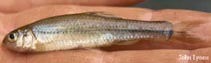
Etymology: Pimephales: Greek, pimeles, -es = fat + Greek, phales = whale; if the root is Greek, phales, -etos = penis (Ref. 45335); vigilax: vigilax, meaning watchful (Ref. 10294).
More on authors: Baird & Girard.
Environment: milieu / climate zone / ລະດັບຄວາມເລິກ / distribution range
ນິເວດວິທະຍາ
; ນ້ຳຈືດ ອາໄສຢູ່ໃກ້ໜ້າດິນໃຕ້ພື້ນທ້ອງນ້ຳ. Subtropical; 46°N - 27°N
North America: Mississippi River basin from western Pennsylvania to Minnesota in USA, and south to Gulf; Gulf Slope drainages from Mobile Bay in Georgia and Alabama to Rio Grande in Texas and New Mexico, USA and Mexico.
ຂະໜາດ / ນ້ຳໜັກ / Age
ການຈະເລີນເຕັມໄວ: Lm ? range ? - ? cm
Max length : 9.2 cm TL ຕົວຜູ້/ບໍ່ມີເພດ; (Ref. 10294); common length : 5.7 cm TL ຕົວຜູ້/ບໍ່ມີເພດ; (Ref. 12193)
Occurs in quiet pools and runs over sand, silt, or gravel, in small to large rivers. Most common in medium-sized rivers (Ref. 5723, 10294). Feeds on insect immatures (Ref. 10294).
Life cycle and mating behavior
ການຈະເລີນເຕັມໄວ | ການສືບພັນ | ການວາງໄຂ່ | ໄຂ່ | ຄວາມດົກຂອງໄຂ່ປາ | ຕົວອ່ອນ
Page, L.M. and B.M. Burr, 1991. A field guide to freshwater fishes of North America north of Mexico. Houghton Mifflin Company, Boston. 432 p. (Ref. 5723)
IUCN Red List Status (Ref. 130435: Version 2025-1)
Threat to humans
Harmless
Human uses
ເຄື່ອງມື
Special reports
Download XML
ແຫຼ່ງອີນເຕີເນັດ
Estimates based on models
Phylogenetic diversity index (ເອກະສານອ້າງອີງ
82804): PD
50 = 0.5625 [Uniqueness, from 0.5 = low to 2.0 = high].
Bayesian length-weight: a=0.00692 (0.00401 - 0.01194), b=3.17 (3.01 - 3.33), in cm total length, based on LWR estimates for this species & (Sub)family-body (Ref.
93245).
ຊັ້ນເຂດຮ້ອນ (ເອກະສານອ້າງອີງ
69278): 2.6 ±0.1 se; based on size and trophs of closest relatives
ຄວາມຢືດຢຸ່ນ (ເອກະສານອ້າງອີງ
120179): ສູງ, ປະຊາກອນຕຳ່ສຸດທີ່ໃຊ້ເວລາສອງໜ້ອຍກວ່າ 15 ເດືອນ (Preliminary K or Fecundity.).
Fishing Vulnerability (Ref.
59153): Low vulnerability (10 of 100).
🛈