



Cetorhinus maximus (Gunnerus, 1765)
Basking shark
مشاهدات خود را اضافه کنيد در Fish Watcher
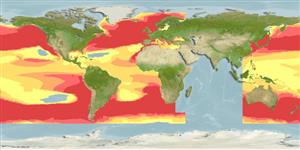
| Native range | All suitable habitat | Point map | Year 2050 |
|
| This map was computer-generated and has not yet been reviewed. |
| Cetorhinus maximus AquaMaps Data sources: GBIF OBIS |
را بارگذاری کني تصاوير و فيلم ها
عکس ها | فيلم ها | تمبر، سکه، متفرقه. | تصوير گوگل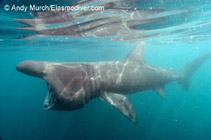 Cetorhinus maximus
عکس از Murch, A.
عکس ها | فيلم ها | تمبر، سکه، متفرقه. | تصوير گوگل
عکس از Murch, A.
رده بندی / نامها اسامي عام | مترادف | Catalog of Fishes(جنس, گونه ها) | ITIS | CoL | WoRMS | Cloffa
(كوسه ها و سپرماهيان) (sharks and rays) > Lamniformes (Mackerel sharks) > Cetorhinidae (Basking sharks)
Etymology: Cetorhinus: cetus (L.), from ketos (Gr.) whale, referring to its size; rhinus, an ancient name for sharks, from rhine (Gr.), rasp, alluding to a shark’s jagged, rasp-like skin (See ETYFish); maximus: Latin for greatest, being the largest known fish (i.e., non-mammalian aquatic vertebrate) at the time (superseded by Rhincodon typus) (See ETYFish).
Etymology: Cetorhinus: cetus (L.), from ketos (Gr.) whale, referring to its size; rhinus, an ancient name for sharks, from rhine (Gr.), rasp, alluding to a shark’s jagged, rasp-like skin (See ETYFish); maximus: Latin for greatest, being the largest known fish (i.e., non-mammalian aquatic vertebrate) at the time (superseded by Rhincodon typus) (See ETYFish).
محیط زیست: محیط زیست / منطقه آب و هوایی / تغييرات عمق / محدوده توزیع بوم شناسي
دريايي pelagic-oceanic; اقیانوس رو (Ref. 87829); تغييرات عمق 0 - 2000 m (Ref. 26346), usually 0 - ? m (Ref. 55197). Temperate; 6°C - 24°C (Ref. 88171); 75°N - 58°S, 111°E - 42°E (Ref. 84930)
پراكنش سرزمینها | مناطق سازمان خوار و بار جهاني (FAO) | اکوسیستمها | ظهور | نقشه نقطه ای | معرفي | Faunafri
Cosmopolitan, frequent in cold to warm temperate waters; rare in equatorial waters (Ref. 48844). Highly migratory species. At risk of extinction by overfishing because of low to very low productivity (Ref. 36717).
طول در اولین بلوغ / اندازه / وزن / سن
بلوغ: Lm 895.0, range 500 - 1000 cm
Max length : 1,520 cm TL جنس نر / بدون خواص جنسي; (Ref. 247); 980.0 cm TL (female); common length : 700 cm TL جنس نر / بدون خواص جنسي; (Ref. 6077); بيشينه وزن گزارش شده: 4.0 t (Ref. 4645)
Max length : 1,520 cm TL جنس نر / بدون خواص جنسي; (Ref. 247); 980.0 cm TL (female); common length : 700 cm TL جنس نر / بدون خواص جنسي; (Ref. 6077); بيشينه وزن گزارش شده: 4.0 t (Ref. 4645)
توصيف مختصر كليدهاي شناسايي | ريخت شناسي | ريخت ستجي بوسيله انداره گيري
خارهاي باله پشتي (کل) : 0; خارهاي باله مخرجي: 0. Distinguished from all other sharks by the enormous gill slits practically encircling the head; dermal denticle gill rakers; pointed snout; huge, sub terminal mouth with minute hooked teeth; caudal peduncle with strong lateral keels, and lunate caudal fin. Body covered with placoid scales. Blackish to grey-brown, grey, or blue-grey, often with irregular white blotches under the head and abdomen (Ref. 43278). Also Ref. 309, 5983.
Body shape (shape guide): elongated; Cross section: circular.
Body shape (shape guide): elongated; Cross section: circular.
The second largest shark, reportedly reaching 1,220-1,520 cm TL (Ref. 247). Thought to live up to 50 years (Ref. 9030, 89083). Semi-oceanic or oceanic species, highly migratory (Ref. 43278). Found on continental and insular shelves, offshore and often close to land, just off the surf zone; enters enclosed bays (Ref. 247). Coastal-pelagic at 1 meter to unknown depths, probably epipelagic (Ref. 58302). Occurs singly, in pairs or groups of 3 or more, or in huge schools (group of up to 100 individuals has been reported) (Ref. 6871, 43278). Prefers water temperature between 8-16 °C (Ref. 88171). Makes extensive horizontal and vertical movements along the continental shelf and shelf edge to utilize productive feeding areas (Ref. 50200). During the summer months, it is found near the surface of boreal to warm-temperate areas (Ref. 43278) feeding on zooplankton by filtering (Ref. 88781). Found in deeper waters during winter (Ref. 6871, 50200, 58302). Undertakes long transoceanic migrations (e.g. from the British Isles to Newfoundland, Canada (Ref. 88824)) and moves between the northern and southern hemisphere in tropical mesopelagic water (Ref. 88825). These migrations have been found to cover distances of over 9,000 km. May form segregations by size or sex (Ref. 88171). Ovoviviparous (Ref. 50449). Regarded as ordinarily harmless and inoffensive but potentially dangerous if attacked (particularly when harpooned) (Ref. 247). In Bay of Fundy, Canada parasitic lampreys have been found attached to the back of basking sharks and sucking their blood (Ref. 83375). Utilized fresh, frozen and dried, or salted (Ref. 9987). Also valued for its liver for oil, fins for soup, hide for leather and carcass for fishmeal (Ref. 247). May be a potential source of anti-carcinoma drugs (Ref. 6034, 6035). Used in Chinese medicine (Ref. 12166). Threatened due to bycatch fisheries (Ref. 83294).
چرخه زندگی و رفتار جفتگیری بلوغ | تولید مثل | تخم ریزی | تخم ها | باروری | توزاد ( لارو)
Distinct pairing with embrace (Ref. 205). Courtship behaviour patterns associated with elasmobranch reproduction were documented from an aerial observation which include 'parallel swimming', 'pectoral biting', 'nudging', and 'male on top of female'. Other mating behaviours particular to this species from the same aerial observation include nose-to-tail following; flank approach; close approach involving rostral contact or proximity with the gill, pectoral fin, vent, and dorsum; and echelon swimming (Ref. 37026). Exhibit ovoviparity (aplacental viviparity), with embryos feeding on other ova produced by the mother (oophagy) after the yolk sac is absorbed (Ref. 50449). Estimated gestation period 12-36 months (Ref. 247, 1765, 9030, 88829); TL at birth estimated between 150-200 cm; mating thought to take place during early summer; a female giving birth to young captured in August in Norwegian waters (Ref. 5983). Over a study period of 5 years, courtship-like behaviour was observed off southwest England between May and July, always in surface waters along thermal fronts; because actual mating was not observed, this may occur in deeper water (Ref. 88831). A one-year resting period between pregnancies is thought to occur, resulting in a 2-4 year interval between litters (Ref. 9030, 1765, 88829). Only one pregnant female has been observed giving birth to a litter of 6 pups (Ref. 88830).
مآخذ اصلی
مراجع خود را بارگذاری کنید | مراجع | هماهنگ كننده : Compagno, Leonard J.V. | همكاران
Compagno, L.J.V., 1984. FAO Species Catalogue. Vol. 4. Sharks of the world. An annotated and illustrated catalogue of shark species known to date. Part 1 - Hexanchiformes to Lamniformes. FAO Fish. Synop. 125(4/1):1-249. Rome, FAO. (Ref. 247)
وضعيت در فهرست قرمز IUCN (Ref. 130435: Version 2025-2 (Global))
در معرض خطر (EN) (A2bd); Date assessed: 07 November 2018
خطر برای انسان ها
Traumatogenic (Ref. 247)
استفاده انسانی
ماهي گيري – شيلات: تجاري
FAO - ماهي گيري – شيلات: فرودها, نمايه گونه; Publication: search | FIRMS - Stock assessments | FishSource | دریای اطراف ما
اطلاعات بيشتر
پویایی جمعیت
پارامترهای رشد
حداکثر سن/اندازه
نسبت طول-وزن.
طول-طول نسبی.
نوسانات طولی
تبدیل انبوه
بازسازی
فراواني
پارامترهای رشد
حداکثر سن/اندازه
نسبت طول-وزن.
طول-طول نسبی.
نوسانات طولی
تبدیل انبوه
بازسازی
فراواني
فیزیولوژی
ترکیب بدن
مواد مغذی
مصرف اکسیژن
نوع شنا
سرعت شنا
رنگدانههای بصری
صدای ماهی
بیماریها و انگلها
سمیت (LC50s)
ترکیب بدن
مواد مغذی
مصرف اکسیژن
نوع شنا
سرعت شنا
رنگدانههای بصری
صدای ماهی
بیماریها و انگلها
سمیت (LC50s)
ابزارها
کتاب الکترونیکی | راهنماي صحرايي | كليدهاي شناسايي | امكان نرم افزاري بسامد طولي | ابزار تاريخ زيستي | نقشه نقطه ای |
گرفتن-MSY |
گزارش های ويژه
راجع به نگهداری آکواريم ملاحظه کنيد | برگه اطلاعات و مشخصات گونه ها را ملاحظه کنيد | برگه اطلاعات و مشخصات آبزی پروری را ببينيد
بارگيری XML
منابع اينترنتي
AFORO (otoliths) | Aquatic Commons | BHL | Cloffa | Websites from users | فيش واچر را ببينيد | CISTI | Catalog of Fishes: جنس, گونه ها | DiscoverLife | DORIS | ECOTOX | FAO - ماهي گيري – شيلات: فرودها, نمايه گونه; Publication: search | Faunafri | Fishipedia | Fishtrace | GloBI | Google Books | Google Scholar | Google | IGFA World Record | پايگاه هاي داده ها | OneZoom | Open Tree of Life | Otolith Atlas of Taiwan Fishes | PubMed | Reef Life Survey | Socotra Atlas | TreeBase | Tree of Life | Wikipedia: برو, جستجو | World Records Freshwater Fishing | سوابق جانورشناسی
تخمینها بر اساس مدلها
دمای ترجیحی (مرجع 123201): 5.4 - 22.7, mean 11.4 °C (based on 10877 cells).
شاخص تنوع فیلوژنتیکی (مرجع 82804): PD50 = 1.5000 [Uniqueness, from 0.5 = low to 2.0 = high].
Bayesian length-weight: a=0.00389 (0.00180 - 0.00842), b=3.12 (2.94 - 3.30), in cm total length, based on all LWR estimates for this body shape (Ref. 93245).
سطح تروفیک (مرجع 69278): 3.2 ±0.3 se; based on diet studies.
Generation time: 17.7 ( na - na) years. Estimated as median ln(3)/K based on 1 growth studies.
جهندگی (مرجع 120179): خیلی آهسته, كمينه زمان لازم براي دو برابر شدن جمعيت بيش از 14 سال (Fec=1-2; Musick et al. 2000 (Ref. 36717)).
Prior r = 0.07, 95% CL = 0.04 - 0.10, Based on 2 data-limited stock assessments.
مواد مغذی (Ref. 124155): Calcium = 2.25 [0.46, 11.12] mg/100g; Iron = 0.218 [0.050, 0.684] mg/100g; Protein = 19.3 [16.7, 21.8] %; Omega3 = 0.317 [0.116, 0.875] g/100g; Selenium = 38.4 [9.2, 129.2] μg/100g; VitaminA = 2.24 [0.46, 11.41] μg/100g; Zinc = 0.226 [0.103, 0.441] mg/100g (wet weight);