>
Petromyzontiformes (Lampreys) >
Mordaciidae (Southern topeyed lampreys)
Etymology: Mordacia: Etymology not explained, likely derived from mordax (L.), biting, referring to specific name of M. mordax (See ETYFish); lapicida: lapis (L.), stone; -cida (L.), cut or kill, i.e., stonecutter, allusion not evident but possibly referring to its parasitic behavior (See ETYFish).
More on author: Gray.
Environment: milieu / climate zone / ລະດັບຄວາມເລິກ / distribution range
ນິເວດວິທະຍາ
ສັດທະເລ; ນ້ຳຈືດ; ນ້ຳກ່ອຍ ອາໄສຢູ່ໃກ້ໜ້າດິນໃຕ້ພື້ນທ້ອງນ້ຳ; ປາທີ່ມີການເຄື່ອນຍ້າຍຈາກທະເລ ແລະ ໄປໄຂ່ຢູ່ນ້ຳຈືດ (Ref. 89241). Subtropical; 34°S - 64°S (Ref. 26213)
Southeast Pacific: Rivers of southern Chile.
ຂະໜາດ / ນ້ຳໜັກ / Age
ການຈະເລີນເຕັມໄວ: Lm ? range ? - ? cm
Max length : 54.0 cm TL ຕົວຜູ້/ບໍ່ມີເພດ; (Ref. 89241)
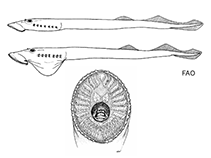
Adult: 11.1-54.0 cm TL; body proportions, as percentage of TL (based on 39 specimens measuring 11.1-31.3 cm TL): 8.0-17.0 prebranchial length, 8.3-12.1 branchial length, 57.8-77.1 trunk length and 13.8-19.0 tail length. Mature males with large gular pouch that extends from immediately posterior of oral disc to end of branchial region; trunk myomeres, 78-84; dentition: supraoral lamina, 2 triangular supraoral laminae each with three unicuspid teeth, one per apex; infraoral lamina, 9-13 unicuspid teeth of various size in immature individuals and divided into 3 tricuspid plates with, in each case, the median cusp largest in spawning individuals; 7 endolateral plates on either side each bearing 3-5 unicuspid teeth (in prespawning individuals, usually 4-5); endolateral formula, typically 3-3-4-4-4-4-3 or 4-4-4-5-5-4-3 or 5 endolaterals as individual unicuspid teeth on either side in spawning individuals; 1-2 rows of anterials; first row of anterials consisting of 4 tricuspid radial plates in recently transformed individuals, of 2 tricuspid flanked on either side by 1 quadricuspid radial plate in feeding phase individuals and of 6 unicuspid teeth in spawning individuals; 1 row of exolaterals on each side; 1 row of posterials; first row of posterials, 10-12 tricuspid (sometimes quadricuspid) plates in prespawning individuals and 12 unicuspid teeth in spawning individuals; transverse lingual lamina, w-shaped, with numerous unicuspid teeth in prespawning individuals and with only 2 greatly enlarged lateral unicuspid teeth in spawning individuals; longitudinal lingual laminae, each with 9-15 unicuspid teeth; presence of caudal fin pigmentation but extent of coverage not determined; caudal fin shape, spade-like (Ref. 89241).
Body shape (shape guide): eel-like.
Ammocoetes and adults found in rivers. Ammocoetes occur in substrates of fine sand with abundant organic detritus along the river banks. Metamorphosis occurs between August and March and recently metamorphosed adults enter marine waters during austral winter (June-August) at about 14.3 cm TL. Anadromous. Adults parasitic on fishes in marine waters. Mature adults occur in continental marine waters between September and December (Ref. 89241).
Life cycle and mating behavior
ການຈະເລີນເຕັມໄວ | ການສືບພັນ | ການວາງໄຂ່ | ໄຂ່ | ຄວາມດົກຂອງໄຂ່ປາ | ຕົວອ່ອນ
Kullander, S.O. and B. Fernholm, 2003. Geotriidae (Southern lampreys). p. 11-12. In R.E. Reis, S.O. Kullander and C.J. Ferraris, Jr. (eds.) Checklist of the Freshwater Fishes of South and Central America. Porto Alegre: EDIPUCRS, Brasil. (Ref. 39873)
IUCN Red List Status (Ref. 130435: Version 2025-1)
Human uses
ການປະມົງ: ທີ່ບໍ່ມີຄວາມສົນໃຈ
ເຄື່ອງມື
Special reports
Download XML
ແຫຼ່ງອີນເຕີເນັດ
Estimates based on models
Phylogenetic diversity index (ເອກະສານອ້າງອີງ
82804): PD
50 = 0.7500 [Uniqueness, from 0.5 = low to 2.0 = high].
Bayesian length-weight: a=0.00102 (0.00046 - 0.00225), b=3.06 (2.88 - 3.24), in cm total length, based on all LWR estimates for this body shape (Ref.
93245).
ຊັ້ນເຂດຮ້ອນ (ເອກະສານອ້າງອີງ
69278): 4.4 ±0.8 se; based on size and trophs of closest relatives
Fishing Vulnerability (Ref.
59153): Moderate vulnerability (42 of 100).
🛈