This website uses cookies to enhance your browsing experience and ensure the functionality of our site. For more detailed information about the types of cookies we use and how we protect your privacy, please visit our Privacy Information page.
×
Cookie Settings
This website uses different types of cookies to enhance your experience. Please select your preferences below:
ຄີ (ໜາມ)ແຂງຢູ່ຫຼັງປາ (ທັງໝົດ) : 7; ຄີຫຼັງຂອງປາ (ຄີອ່ອນ) (ທັງໝົດ) : 9 - 10; ຄີ(ໜາມ) ແຂງຢູ່ຄີກົ້ນປາ
ກຸ່ມປາກະດູກແຂງ
ຄວາມຖີ່ຂອງກຸ່ມຖ່າຍທອດພັນ
ປາທີ່ມີການເຄື່ອນຍ້າຍຈາກທະເລໄປຫານ້ຳຈືດ ແລະນ້ຳຈືດຫາທະເລ
ປາທີ່ມີການເຄື່ອນຍ້າຍຈາກທະເລແລະໄປໄຂ່ຢູ່ນ້ຳຈືດ
ຄີກົ້ນຂອງປາ
ສັດທີ່ມີກະດູກສັນຫັຼງ
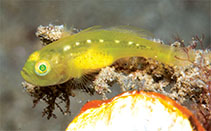
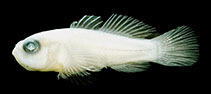
ການຖ່າຍທອດທາງກຳມະພັນຈາກພໍ່ແມ່ຫາລູກ: 1; ຄີກົ້ນຂອງປາ: 6 - 7; ສັດທີ່ມີກະດູກສັນຫຼັງ: 24. This species is distinguished by the following characters: D VI-I,9-10 (rarely 10); A I,6-7; pectoral-fin rays 17-19 (rarely 17 or 19); both the anterior and posterior nostrils are present; no scales; pelvic disc with conspicuous frenum; greatest body depth 3.1-3.7 in SL; head length 2.7-3.2 in SL; head compressed, its width 1.0-1.3 in head depth; caudal fin is rounded, 2.6-3.5 in SL. Colouration: in life either semi-translucent dull yellowish or semi-translucent whitish, both varieties with pigment along vertebral column, as alternating long, dark, dash-like marks with intervening shorter white sections; head and body are covered in a uniform scattering of fine melanophores (Ref. 111062). Cross section: oval.
Apparently invariably associated with a (Polycarpa sp.) on silty-sand bottoms. which was common between about 13-30 m, but only populated by fishes below a depth of about 20 m. About a third of the tunicates below 20 m were estimated to be occupied by fish, solitary or in pairs. The fish were usually observed perched on the lip of the tunicate’s oral or incurrent siphon, retreating quickly inside when disturbed and also made brief forays on the exterior part of the tunicate and around its base (Ref. 111062).
Allen, G.R. and M.V. Erdmann, 2016. Lubricogobius tunicatus, a new species of goby (Pisces: Gobiidae) from Papua New Guinea and the first record of L. ornatus from the East Indies. J. Ocean Sci. Found. 24:24-34. (Ref. 111062)
ສະຖານະພາບບັນຊີແດງຂອງ IUCN (Ref. 130435: Version 2025-2 (Global))
ດັດຊະນີຄວາມຫຼາກຫຼາຍທາງຊີວະພາບ (ເອກະສານອ້າງອີງ 82804): PD50 = 0.5078 [Uniqueness, from 0.5 = low to 2.0 = high].
Bayesian length-weight: a=0.01023 (0.00477 - 0.02194), b=3.01 (2.83 - 3.19), in cm total length, based on LWR estimates for this (Sub)family-body shape (Ref. 93245).
ຊັ້ນເຂດຮ້ອນ (ເອກະສານອ້າງອີງ 69278): 2.9 ±0.3 se; based on size and trophs of closest relatives
ຄວາມຢືດຢຸ່ນ (ເອກະສານອ້າງອີງ 120179): ສູງ, ປະຊາກອນຕຳ່ສຸດທີ່ໃຊ້ເວລາສອງໜ້ອຍກວ່າ 15 ເດືອນ (Preliminary K or Fecundity.).
ຄວາມສ່ຽງຕໍ່ການຫາປາ (Ref. 59153): Low vulnerability (10 of 100). 🛈