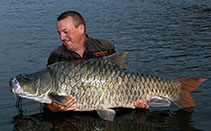
Classification / Names
ຊື່ສາມັນ | ຄຳສັບຄ້າຍຄືກັນ | Catalog of Fishes(ຕະກຸນ, ຊະນິດ) | ITIS | CoL | WoRMS | Cloffa
>
Cypriniformes (Carps) >
Cyprinidae (Minnows or carps) > Torinae
Etymology: remadeviae: Named after K. Rema Devi.
Eponymy: Dr Karunakaran Rema Devi is a freshwater fish taxonomist who is Officer in Charge, at the Zoological Survey of India, Southern Regional Centre, Chennai, Tamil Nadu, India. [...] (Ref. 128868), visit book page.
Environment: milieu / climate zone / ລະດັບຄວາມເລິກ / distribution range
ນິເວດວິທະຍາ
; ນ້ຳຈືດ ກ່ຽວກັບ (ຢູ່)ເທິງຊັ້ນພື້ນດິນໃນທະເລເປີດ. Tropical
Asia: India
ຂະໜາດ / ນ້ຳໜັກ / Age
ການຈະເລີນເຕັມໄວ: Lm ? range ? - ? cm
Max length : 175 cm FL ຕົວຜູ້/ບໍ່ມີເພດ; (Ref. 123482); ນ້ຳໜັກສູງສຸດທີ່ເຄຍຈັດພີມມາ: 54.0 kg (Ref. 123482)
Short description
ຕົວທີ່ໃຊ້ໃນການຈຳແນກຊະນິດ | ສະລີລະວິທະຍາ | ການວັດແທກຮູບຮ່າງລັກສະນະພາຍນອກຂອງດິນ,ສັດ,ປາ…
ຄີ (ໜາມ)ແຂງຢູ່ຫຼັງປາ (ທັງໝົດ) : 4; ຄີຫຼັງຂອງປາ (ຄີອ່ອນ) (ທັງໝົດ) : 9; ຄີ(ໜາມ) ແຂງຢູ່ຄີກົ້ນປາ
ກຸ່ມປາກະດູກແຂງ
ຄວາມຖີ່ຂອງກຸ່ມຖ່າຍທອດພັນ
ປາທີ່ມີການເຄື່ອນຍ້າຍຈາກທະເລໄປຫານ້ຳຈືດ ແລະນ້ຳຈືດຫາທະເລ
ປາທີ່ມີການເຄື່ອນຍ້າຍຈາກທະເລແລະໄປໄຂ່ຢູ່ນ້ຳຈືດ
ຄີກົ້ນຂອງປາ
ສັດທີ່ມີກະດູກສັນຫັຼງ
ການຖ່າຍທອດທາງກຳມະພັນຈາກພໍ່ແມ່ຫາລູກ: 2; ຄີກົ້ນຂອງປາ: 5. This species is characterised by having D IV,9; A II,5. It differs from its congeners in India by the following: a prominent hump originating above the pre-opercle and extending to the origin of the dorsal fin; a well-developed mandible resulting in a terminal or slightly superior mouth position; the dorsal orientation of the eyes; a distinctive kink in the profile of the pre-opercle, a consistent feature in T. remadevii and not observed in other South Indian Tor. Similar to other Tor species the mouth morphology is highly variable, with some individuals exhibiting hypotrophic lips and sub-terminal mouth with enlarged mentum. Colouration of the body varies (silver, bronze, greenish) and is not considered a reliable diagnostic character; the orange coloration of the caudal fin (sometimes extending to all fins) is considered a more consistent character (Ref.123478).
Cross section: compressed.
While functional habitats are yet to be elucidated, T. remadevii inhabits the middle to upper reaches of the River Cauvery and some of its tributaries. Mesohabitat utilization is known to incorporate shallow high velocity rapids to deep, slow flowing pools, with substrates typically composed of bedrock and boulders (Ref. 123478).
Life cycle and mating behavior
ການຈະເລີນເຕັມໄວ | ການສືບພັນ | ການວາງໄຂ່ | ໄຂ່ | ຄວາມດົກຂອງໄຂ່ປາ | ຕົວອ່ອນ
Madhusoodana Kurup, B. and K.V. Radhakrishnan, 2011. Tor remadevii, a new species of Tor (Gray) from Chinnar Wildlife Sanctuary, Pambar River, Kerala, southern India. J. Bombay Nat. Hist. Soc. [2010] 107(3):227-230. (Ref. 88141)
IUCN Red List Status (Ref. 130435: Version 2025-1)
Threat to humans
Harmless
Human uses
ເຄື່ອງມື
Special reports
Download XML
ແຫຼ່ງອີນເຕີເນັດ
Estimates based on models
Phylogenetic diversity index (ເອກະສານອ້າງອີງ
82804): PD
50 = 0.5000 [Uniqueness, from 0.5 = low to 2.0 = high].
Bayesian length-weight: a=0.00912 (0.00480 - 0.01731), b=3.00 (2.83 - 3.17), in cm total length, based on LWR estimates for this species & (Sub)family-body (Ref.
93245).
ຊັ້ນເຂດຮ້ອນ (ເອກະສານອ້າງອີງ
69278): 2.8 ±0.2 se; based on size and trophs of closest relatives
ຄວາມຢືດຢຸ່ນ (ເອກະສານອ້າງອີງ
120179): ຕຳ່ຫຼາຍ, ປະຊາກອນຕຳ່ສຸດທີ່ໃຊ້ເວລາສອງເທົ່າຫຼາຍກວ່າ 14 ປີ (Preliminary K or Fecundity.).
Fishing Vulnerability (Ref.
59153): Very high vulnerability (90 of 100).
🛈