



Acanthemblemaria paula Johnson & Brothers, 1989
Dwarf spinyhead blenny
เพิ่มการสังเกตของคุณใน Fish Watcher
| Native range | All suitable habitat | Point map | Year 2050 |

|
| This map was computer-generated and has not yet been reviewed. |
| Acanthemblemaria paula AquaMaps Data sources: GBIF OBIS |
อัพโหลดของคุณ ภาพถ่าย และ วิดีโอ
รูปภาพหลายรูป | Google image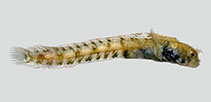 Acanthemblemaria paula
ภาพโดย Baldwin, C.C.
รูปภาพหลายรูป | Google image
ภาพโดย Baldwin, C.C.
การจำแนกประเภท / ชื่อ ชื่อสามัญ | ชื่อพ้อง | Catalog of Fishes(สกุล, ชนิด) | ITIS | CoL | WoRMS | Cloffa
> Blenniiformes (Blennies) > Chaenopsidae (Pike-, tube- and flagblennies)
Etymology: Acanthemblemaria: Greek, akantha = thorn + Greek, emblema, -atos, anything that is nailed, knocked in; also anything with bass or high relief (Ref. 45335).
Eponymy: Paula is Latin for ‘little’, and is in reference to the species’ diminutive size. [...] (Ref. 128868), visit book page.
Etymology: Acanthemblemaria: Greek, akantha = thorn + Greek, emblema, -atos, anything that is nailed, knocked in; also anything with bass or high relief (Ref. 45335).
Eponymy: Paula is Latin for ‘little’, and is in reference to the species’ diminutive size. [...] (Ref. 128868), visit book page.
สิ่งแวดล้อม : สิ่งแวดล้อม / เขตภูมิอากาศ / ระดับความลึก / ระยะการกระจายสินค้า นิเวศวิทยา
เกี่ยวกับทะเล,น้ำเค็ม เกี่ยวกับหินโสโครก; ระดับความลึก 1 - 2 m (Ref. 13293). Tropical; 18°N - 15°N, 90°W - 86°W (Ref. 56275)
การแพร่กระจาย อาณาเขต | พื้นที่จำแนกตาม FAO | ระบบนิเวศหลายระบบ | การปรากฏขึ้น,การเกิดขึ้น,พบ | ตำแหน่งบนแผนที่ | การแนะนำ | Faunafri
Western Central Atlantic: Belize.
ความยาวเมื่อครบกำหนดครั้งแรก / ขนาด / น้ำหนัก / อายุ
คำอธิบายสั้นๆ เครื่องมือที่ใช้ในการแยกชนิดสัตว์,สิ่งมีชีวิตออกจากกัน | สัณฐานวิทยา | ความยาวต่างๆ
เงี่ยงครีบหลัง (รวม) : 18 - 20; เงี่ยงครีบก้น: 2. Species distinguished by: well-developed cranial spines (not short and blunt) on nape posterior to orbital flange in 2 groups (one group on each side of the dorsal midline), each group with 8 to 11 spines; patch of cranial spines on nape ends anterior to supratemporal commissural pore; inner rim of posterior infraorbital bone smooth; dorsal-fin spines 18 to 20; total dorsal-fin elements usually 38 or fewer; nasal cirri with fewer than 6 (usually 2 or 3) free tips on each side; supraorbital cirrus moderately to strongly branched; two or more rows of teeth on each palatine bone; no large, eye-diameter sized dark blotch on side of head posterior to eye; black spot present or absent in spinous dorsal fin; no white stripe along ventral midline of head in life. Common amongst Chaenopsids: small elongate fishes; largest species about 12 cm SL, most under 5 cm SL. Head usually with cirri or fleshy flaps on anterior nostrils, eyes, and sometimes laterally on nape; gill membranes continuous with each other across posteroventral surface of head. Each jaw with canine-like or incisor-like teeth anteriorly; teeth usually also present on vomer and often on palatines (roof of mouth). Dorsal-fin spines flexible, usually outnumbering the segmented soft rays (numbering 7 to 37), spinous and segmented-rayed portions forming a single, continuous fin; 2 flexible spines in anal fin; pelvic fins inserted anterior to position of pectoral fins, with 1 spine not visible externally and only 2 or 3 segmented (soft) rays; all fin rays, including caudal-fin rays, unbranched (simple). Lateral line absent. Scales absent (Ref.52855).
Body shape (shape guide): elongated.
Body shape (shape guide): elongated.
Lives in burrows made by invertebrates (usually those of sipunculids) in dead corals in shallow water (<5 m) (Ref. 51564).
วงจรชีวิตและพฤติกรรมการผสมพันธุ์ วัยเจริญพันธุ์ | การสืบพันธุ์ | การวางไข่ | เซลสืบพันธ์ของเพศเมีย(ไข่) | ความดกของไข่ | ตัวอ่อน
อ้างอิงหลัก
อัพโหลดข้อมูลอ้างอิงของคุณ | อ้างอิง | ผู้ประสานงาน : Williams, Jeffrey T. | ผู้ร่วมมือ
Springer, V.G. and T.M. Orrell, 1996. Catalog of type specimens of recent fishes in the National Museum of Natural History, Smithsonian Institution, 5: Chaenopsidae, Clinidae, Dactyloscopidae, Labrisomidae, and Tripterygiidae. Smithson. Contrib. Zool. 576:38. (Ref. 13293)
สถานะบัญชีแดงของ IUCN (Ref. 130435: Version 2025-2 (Global))
Data deficient (DD) ; Date assessed: 06 March 2015
CITES
Not Evaluated
ภัยคุกคามต่อมนุษย์
Harmless
การใช้ของมนุษย์
FAO - Publication: search | FishSource |
ข้อมูลเพิ่มเติม
นิเวศวิทยาเขตร้อน
รายการอาหาร (เหยื่อ)
องค์ประอบของอาหาร
การบริโภคอาหาร
การจัดสรรอาหาร
ผู้ล่า
รายการอาหาร (เหยื่อ)
องค์ประอบของอาหาร
การบริโภคอาหาร
การจัดสรรอาหาร
ผู้ล่า
นิเวศวิทยา
นิเวศวิทยา
นิเวศวิทยา
พลวัตของประชากร
พารามิเตอร์การเจริญเติบโต
อายุสูงสุด / ขนาด
ความยาว-น้ำหนักสัมพันธ์
ความยาว-ความยาวสัมพันธ์
ความยาว-ความถี่
การแปลงมวล
การทดแทนที่
อุดมสมบรูณ์
พารามิเตอร์การเจริญเติบโต
อายุสูงสุด / ขนาด
ความยาว-น้ำหนักสัมพันธ์
ความยาว-ความยาวสัมพันธ์
ความยาว-ความถี่
การแปลงมวล
การทดแทนที่
อุดมสมบรูณ์
วงจรชีวิต
การสืบพันธุ์
วัยเจริญพันธุ์
ความสมบูรณ์พันธุ์/เหงือกที่เกี่ยวข้อง
ความดกของไข่
การวางไข่
การรวมตัวของสปอน
เซลสืบพันธ์ของเพศเมีย(ไข่)
การพัฒนาไข่
ตัวอ่อน
พลวัตของสัตว์น้ำวัยอ่อน
การสืบพันธุ์
วัยเจริญพันธุ์
ความสมบูรณ์พันธุ์/เหงือกที่เกี่ยวข้อง
ความดกของไข่
การวางไข่
การรวมตัวของสปอน
เซลสืบพันธ์ของเพศเมีย(ไข่)
การพัฒนาไข่
ตัวอ่อน
พลวัตของสัตว์น้ำวัยอ่อน
การแพร่กระจาย
อาณาเขต
พื้นที่จำแนกตาม FAO
ระบบนิเวศหลายระบบ
การปรากฏขึ้น,การเกิดขึ้น,พบ
การแนะนำ
BRUVS - วิดีโอ
อาณาเขต
พื้นที่จำแนกตาม FAO
ระบบนิเวศหลายระบบ
การปรากฏขึ้น,การเกิดขึ้น,พบ
การแนะนำ
BRUVS - วิดีโอ
กายวิภาคศาสตร์
พื้นที่เหงือก
สมอง
หินโสต
พื้นที่เหงือก
สมอง
หินโสต
สรีรวิทยา
องค์ประกอบของร่างกาย
สารอาหาร
การใช้ออกซิเจน
ประเภทการว่ายน้ำ
ระดับความเร็วในการว่ายน้ำ
เม็ดสีที่มองเห็นได้
เสียงปลา
โรคและปรสิต
ความเป็นพิษ (LC50s)
องค์ประกอบของร่างกาย
สารอาหาร
การใช้ออกซิเจน
ประเภทการว่ายน้ำ
ระดับความเร็วในการว่ายน้ำ
เม็ดสีที่มองเห็นได้
เสียงปลา
โรคและปรสิต
ความเป็นพิษ (LC50s)
พันธุศาสตร์
จีโนม
พันธุศาสตร์
ความไม่สมดุลทางเชื้อชาติ
อัตราพันธุกรรม
ความหลากหลายทางพันธุกรรม
จีโนม
พันธุศาสตร์
ความไม่สมดุลทางเชื้อชาติ
อัตราพันธุกรรม
ความหลากหลายทางพันธุกรรม
เกี่ยวข้องกับมนุษย์
ระบบการเพาะเลี้ยงสัตว์น้ำ
ประวัติการเพาะเลี้ยงสัตว์น้ำ
สายพันธุ์
กรณีซิเกวเทอรา
แสตมป์ เหรียญ อื่นๆ
ระบบการเพาะเลี้ยงสัตว์น้ำ
ประวัติการเพาะเลี้ยงสัตว์น้ำ
สายพันธุ์
กรณีซิเกวเทอรา
แสตมป์ เหรียญ อื่นๆ
เครื่องมือ
หนังสืออิเล็กทรอนิกส์ | คู่มือภาคสนาม | เครื่องมือที่ใช้ในการแยกชนิดสัตว์,สิ่งมีชีวิตออกจากกัน | ผู้มีความชำนาญในเรื่องความถี่ของความยาว | เครื่องมือในการศึกษาชีวประวัติ | ตำแหน่งบนแผนที่ |
จับ-MSY |
รายงานพิเศษ
ตรวจสอบการบำรุงรักษาตู้ปลา | ตรวจสอบเอกสารข้อเท็จจริงเกี่ยวกับสายพันธุ์ | ตรวจสอบเอกสารข้อเท็จจริงเกี่ยวกับการเพาะเลี้ยงสัตว์น้ำ
ดาวน์โหลด XML
หน้าสรุป | ข้อมูลสำคัญ | ชื่อสามัญ | ภาพถ่าย
แหล่งที่มาจากอินเตอร์เน็ต
AFORO (otoliths) | Aquatic Commons | BHL | Cloffa | Websites from users | Check FishWatcher | CISTI | Catalog of Fishes: สกุล, ชนิด | DiscoverLife | ECOTOX | FAO - Publication: search | Faunafri | Fishipedia | Fishtrace | GloBI | Google Books | Google Scholar | Google | IGFA World Record | ฐานข้อมูลแห่งชาติ | OneZoom | Open Tree of Life | Otolith Atlas of Taiwan Fishes | PubMed | Reef Life Survey | Socotra Atlas | TreeBase | แผนภูมิชีวิตแบบต้นไม้ | Wikipedia: Go, ค้นหา | World Records Freshwater Fishing | Zoobank | บันทึกทางด้านสัตววิทยา
การประมาณค่าตามแบบจำลอง
ดัชนีความหลากหลายทางวิวัฒนาการ (อ้างอิง 82804): PD50 = 0.5000 [Uniqueness, from 0.5 = low to 2.0 = high].
Bayesian length-weight: a=0.00525 (0.00224 - 0.01232), b=3.07 (2.86 - 3.28), in cm total length, based on LWR estimates for this (Sub)family-body shape (Ref. 93245).
ระดับชั้นอาหาร (อ้างอิง 69278): 3.0 ±0.4 se; based on size and trophs of closest relatives