



ارفع صور و مقاطع فيديو
صور | طوابع بريدية وعملات معدنية ومتنوعة | صور قوقل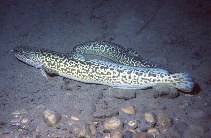 Lota lota
صورة بواسطة Keeley, E.R.
صور | طوابع بريدية وعملات معدنية ومتنوعة | صور قوقل
صورة بواسطة Keeley, E.R.
التصنيف / الأسماء الأسماء الشائعة | مرادفات | Catalog of Fishes(جنس, الانواع) | ITIS | CoL | WoRMS | Cloffa
> Gadiformes (Cods) > Lotidae (Hakes and burbots)
Etymology: Lota: French name for the cod (Ref. 45335); lota: From the French word "la Lotte" meaning codfish (Ref. 10294).
More on author: Linnaeus.
Etymology: Lota: French name for the cod (Ref. 45335); lota: From the French word "la Lotte" meaning codfish (Ref. 10294).
More on author: Linnaeus.
البيئة: الوسط / المنطقة المناخية / نطاق العمق / نطاق التوزيع البيئة
; المياه العذبة; مياه مخلوطة القاع; pH range: 7.5 - ? ; dH range: 18 - ?; سمكة نهرية (Ref. 59043); نطاق العمق 1 - 700 m (Ref. 1998). Temperate; 4°C - 18°C (Ref. 2059); 78°N - 40°N, 180°W - 180°E
التوزيع الأقاليم | مناطق الفاو | النظام البيئي | الظهور | نقطة علي الخريطة | مقدمة | Faunafri
Circumarctic in freshwater (Ref. 1371). Europe: Loire drainage, France eastward to White, Barents and Arctic Sea basins; upper Volga drainage; western Caspian basin; rivers draining to Black Sea; Rhône drainage (France); in Italy native only in Po drainage; eastrward England (now extirpated). In Siberia eastward to River Lena. Reported that populations from eastern Siberia and North America belong to a different species, Lota maculosa (Ref. 59043). North America: Throughout Canada, Alaska and northern USA (south to Pennysylvannia, Kentucky, Missouri, Wyoming and Washington (Ref. 86798).
الطول عند النضج الأول / الحجم / وزن / العمر
النضج: Lm 37.5, range 35 - 40 cm
Max length : 152 cm TL ذكر/ مختلط الجنس; (Ref. 27547); common length : 40.0 cm TL ذكر/ مختلط الجنس; (Ref. 1371); أعلا وزن تم نشرة: 34.0 kg (Ref. 27547); العمر: 20 سنين (Ref. 556)
Max length : 152 cm TL ذكر/ مختلط الجنس; (Ref. 27547); common length : 40.0 cm TL ذكر/ مختلط الجنس; (Ref. 1371); أعلا وزن تم نشرة: 34.0 kg (Ref. 27547); العمر: 20 سنين (Ref. 556)
وصف مختصر مفاتيح التعريف | الوصف الخارجي | قياسات المظهر الخارجي
الأشواك الظهرية (المجموع) : 0; الأشعة الظهرية الناعمة (المجموع) : 67 - 96; شوكة شرجية: 0; أشعه شرجية لينه: 58 - 84; فقرات: 50 - 67. Diagnosed from all other freshwater fishes in Europe by its pelvic fin origin anterior to pectoral fin origin and by having one central barbel on lower jaw (Ref. 59043). Distinguished by the long second dorsal fin, at least 6 times as long as the first, and a single barbel on the chin (Ref. 27547). Gill rakers short (Ref. 27547). First dorsal short; second dorsal and anal fins joined to caudal; pectorals short and rounded; caudal rounded (Ref. 27547), with 40 rays (Ref. 2196). Color is yellow, light tan to brown with a pattern of dark brown or black on the body, head and fins (Ref. 1371). Pelvic fins pale, others dark and mottled (Ref. 27547).
Body shape (shape guide): elongated; Cross section: circular.
Body shape (shape guide): elongated; Cross section: circular.
The only member of Lotidae family which lives in freshwater. Crepuscular and nocturnal (Ref. 11941). Adults are found in well oxygenated flowing waters and large, deep lakes as well as large rivers with slow-moving current (Ref. 5723, 10294). They occur from estuaries of large lowland rivers as well as from small mountain streams, preferring deep waters in summer (Ref. 59043). They seek shelter under rocks, in crevices on the river banks, among roots of trees and dense vegetation (Ref. 30578, 10294). Those in rivers tend to congregate in deep holes throughout the year, except at spawning (Ref. 27547). Movements into shallower water during summer nights are related to feeding (Ref. 1998). Smaller individuals feed on insect larvae, crayfish, mollusks and other invertebrates with a changing preference for fishes in larger individuals (Ref. 1998, 10294). In Central Europe, males mature at 2 years while females at 3 years (Ref. 59043). Spawning occurs from November to March, at temperatures below 6°C in groups of up to 20 interlaced individuals forming a ball about 60 cm in diameter which constantly move and roll on the bottom while releasing eggs and sperms (Ref. 59043). May undertake short spawning migrations (Ref. 59043). Eggs are semipelagic, 1.2-1.8 mm in diameter and slightly sticky hatching after 40-70 days (Ref. 59043). Larvae are positively phototactic, floating below the surface in March and April (Ref. 59043). Larvae feed on drifting invertebrates or zooplankton (Ref. 59043). Source of oil. Sold mainly salted. Liver is sold smoked or canned in Europe (Ref. 1998). Processed into fishmeal (Ref. 1998). Because of its nocturnal habits and its slow movements, this fish is not very much appreciated by sport fishermen. Flesh is tasty but a little dry (Ref. 30578). Locally threatened due to river regulation (Ref. 59043).
دورة الحياة وسلوك التزاوج النضج | التكاثر | وضع البيض | بيض | الخصوبة | اليرقات
There appears to be individual movements into spawning areas with the males arriving first at spawning areas (Ref. 27547). It occurs at night, with spawners forming a great globular mass, each pushing toward the center (Ref. 28694), or at least milling around close together (Ref. 28697), releasing eggs or sperm. Observed to make postspawning runs upriver, apparently for feeding (Ref. 28697). Eggs hatch after 40-70 days. After about 2 months, juveniles are benthic, grow rapidly, reach about 8 cm SL within first year. (Ref. 59043).
المرجع الرئيسي
قم بتحميل مراجعك | مراجع | المنظم | المتعاونين
Cohen, D.M., T. Inada, T. Iwamoto and N. Scialabba, 1990. FAO species catalogue. Vol. 10. Gadiform fishes of the world (Order Gadiformes). An annotated and illustrated catalogue of cods, hakes, grenadiers and other gadiform fishes known to date. FAO Fish. Synop. 125(10). Rome: FAO. 442 p. (Ref. 1371)
حالة القائمة الحمراء للاتحاد الدولي لحفظ الطبيعة والموارد الطبيعية (Ref. 130435: Version 2025-2 (Global))
Least Concern (LC) ; Date assessed: 28 May 2022
CITES
Not Evaluated
خطر للأنسان
Harmless
استخدامات بشرية
مصائد: تجاري; الأستزراع المائي: التجريبي; لعبة سمكه: نعم; حوض مائي: احواض مائية عامة
FAO - مصائد: الهبوط, ملف الأنواع; Publication: search | FishSource | البحر حولنا
مزيد من المعلومات
علم البيئة الغذائية
المواد الغذائية (الفرائس)
التركيبة الغذائية
استهلاك الأغذية
الحصص الغذائية
مفتريسات
المواد الغذائية (الفرائس)
التركيبة الغذائية
استهلاك الأغذية
الحصص الغذائية
مفتريسات
الديناميكيات السكانية
معاملات النمو
الحد الأقصى للأعمار/الأحجام
علاقة الطول بالوزن.
علاقة الطول بالطول.
الطول- الترددات
التحويل الجماعي
توظيف
الوفرة
معاملات النمو
الحد الأقصى للأعمار/الأحجام
علاقة الطول بالوزن.
علاقة الطول بالطول.
الطول- الترددات
التحويل الجماعي
توظيف
الوفرة
علم وظائف الأعضاء
تكوين الجسم
المغذيات
استهلاك الأوكسجين
نوع السباحة
سرعة السباحة
الأصباغ البصرية
صوت السمك
الأمراض والطفيليات
السمية (LC50s)
تكوين الجسم
المغذيات
استهلاك الأوكسجين
نوع السباحة
سرعة السباحة
الأصباغ البصرية
صوت السمك
الأمراض والطفيليات
السمية (LC50s)
ذات الصلة بالبشر
أنظمة الاستزراع المائي
ملامح تربية الأحياء المائية
سلالات
حالات سيغواتيرا
طوابع بريدية وعملات معدنية ومتنوعة
أنظمة الاستزراع المائي
ملامح تربية الأحياء المائية
سلالات
حالات سيغواتيرا
طوابع بريدية وعملات معدنية ومتنوعة
أدوات
اختبار عضوي | كتاب إلكتروني | دليل الميدان | مفاتيح التعريف | معالج تردد الطول-التردد | أداة تاريخ الحياة | نقطة علي الخريطة |
Catch-MSY |
تقارير خاصة
البحث عن صيانت الأحواض المائيه | التحقق من وجود صفحات حقائق الأنواع | البحث عنا حقائق حول الأحواض المائيه
تنزيل XML
مصادر علي الأنترنت
AFORO (otoliths) | Alien/Invasive Species database | Aquatic Commons | BHL | Cloffa | Websites from users | البحث في مراقبي الأسماك | CISTI | Catalog of Fishes: جنس, الانواع | DiscoverLife | DORIS | ECOTOX | FAO - مصائد: الهبوط, ملف الأنواع; Publication: search | Faunafri | Fishipedia | Fishtrace | GloBI | Google Books | Google Scholar | Google | IGFA World Record | قاعدة البينات الوطنية | OneZoom | Open Tree of Life | Otolith Atlas of Taiwan Fishes | احواض مائية عامة | PubMed | Reef Life Survey | Socotra Atlas | TreeBase | شجرة الحياة | Wikipedia: ذهب, بحث | World Records Freshwater Fishing | سجلات علم الحيوانات
تقديرات تستند إلى النماذج
مؤشر التنوع الشُعبي الوراثي (مرجع 82804): PD50 = 1.0312 [Uniqueness, from 0.5 = low to 2.0 = high].
Bayesian length-weight: a=0.00537 (0.00441 - 0.00654), b=3.04 (2.98 - 3.10), in cm total length, based on LWR estimates for this species (Ref. 93245).
مستوى غذائي (مرجع 69278): 3.8 ±0.2 se; based on diet studies.
المرونه (مرجع 120179): منخفض, الحد الزمني الأدني لتضاعف عدد أفراد المجتمع 4.5-14 سنة (K=0.05; tm=2-7; tmax=20).
المغذيات (Ref. 124155): Calcium = 12.9 [7.2, 34.7] mg/100g; Iron = 0.259 [0.142, 0.500] mg/100g; Protein = 17.5 [16.2, 19.0] %; Omega3 = 0.382 [0.200, 0.694] g/100g; Selenium = 24.4 [8.5, 62.9] μg/100g; VitaminA = 4.33 [1.21, 18.17] μg/100g; Zinc = 0.671 [0.485, 0.920] mg/100g (wet weight); based on nutrient studies.