>
Cypriniformes (Carps) >
Cobitidae (Spined loaches)
Etymology: Acanthopsoides: Greek, akantha = thorn + Greek, ops = similar + sufix oides = look, appearance (Ref. 45335).
More on author: Smith.
Environment: milieu / climate zone / intervalo de profundidade / distribution range
Ecologia
; Água doce demersal. Tropical
Asia: Mekong and Chao Phraya basins (Ref. 27732). Reported from the Maeklong basins (Ref. 26336).
Tamanho / Peso / Idade
Maturidade: Lm ? range ? - ? cm
Max length : 6.0 cm SL macho/indeterminado; (Ref. 30857)
Descrição breve
Chaves de identificação | Morfologia | Morfometria
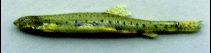
Dorsal-fin origin slightly in front of the pelvic-fin origin; a midlateral row of 13-30 (usually 20-25) conspicuous, black blotches; a row of 14-20 mid-dorsal blotches; irregular dots on the dorsal half of the body; a conspicuous roundish black spot at the upper extremity of the caudal-fin base and a fainter one at the lower extremity; snout length 2.1-2.7 times in head length (Ref. 27732). Eye in anterior half of head; 6 diffuse bars on caudal fin (Ref. 12693).
Body shape (shape guide): elongated.
Found in upper parts of river basins, with slow to fast waters, on gravel and pebbles (Ref. 27732). Occurs over sandy bottoms in medium to large rivers. Feeds on benthic invertebrates. Not fished commercially (Ref. 12693).
Life cycle and mating behavior
Maturidade | Reprodução | Desova | Ovos | Fecundidade | Larvas
Rainboth, W.J., 1996. Fishes of the Cambodian Mekong. FAO species identification field guide for fishery purposes. FAO, Rome, 265 p. (Ref. 12693)
Categoria na Lista Vermelha da IUCN (Ref. 130435: Version 2025-1)
Ameaça para o homem
Harmless
Utilização humana
Ferramentas
Relatórios especiais
Descarregue XML
Fontes da internet
Estimates based on models
Phylogenetic diversity index (Ref.
82804): PD
50 = 0.5078 [Uniqueness, from 0.5 = low to 2.0 = high].
Bayesian length-weight: a=0.00501 (0.00233 - 0.01079), b=3.08 (2.90 - 3.26), in cm total length, based on LWR estimates for this (Sub)family-body shape (Ref.
93245).
Nível Trófico (Ref.
69278): 3.5 ±0.37 se; based on food items.
Resiliência (Ref.
120179): Elevada, tempo mínimo de duplicação da população menor que 15 meses (Preliminary K or Fecundity.).
Fishing Vulnerability (Ref.
59153): Low vulnerability (10 of 100).
🛈