>
Notacanthiformes (Halosaurs and deep-sea spiny eels) >
Notacanthidae (Deep-sea spiny eels)
Etymology: Notacanthus: Greek, noton = back + Greek, akantha = thorn (Ref. 45335).
Eponymy: Johann Hieronymus Chemnitz (1730–1800) was a German naturalist, conchologist and theologian. [...] (Ref. 128868), visit book page.
More on author: Bloch.
Issue
Species spelling Paxton et al. 1989 (Ref.7300:150).
Environment: milieu / climate zone / ລະດັບຄວາມເລິກ / distribution range
ນິເວດວິທະຍາ
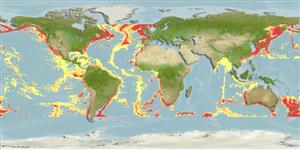
ສັດທະເລ ກ່ຽວກັບ (ຢູ່)ເທິງຊັ້ນພື້ນດິນໃນທະເລເປີດ; ລະດັບຄວາມເລິກ 125 - 3285 m (Ref. 58426), usually 128 - 1000 m (Ref. 117245). Deep-water; 61°N - 50°S, 180°W - 180°E
Western North Atlantic: from Labrador to the Gulf of Mexico; Eastern North Atlantic from Iceland and Norway to North Africa (Ref. 130977). Possible in the eastern Indian Ocean: Australia (Ref. 7300) and southwest Pacific: New Zealand (Ref. 5755).
ຂະໜາດ / ນ້ຳໜັກ / Age
ການຈະເລີນເຕັມໄວ: Lm ? range ? - ? cm
Max length : 120 cm TL ຕົວຜູ້/ບໍ່ມີເພດ; (Ref. 4449)
ຄີ (ໜາມ)ແຂງຢູ່ຫຼັງປາ (ທັງໝົດ) : 5 - 12; ຄີຫຼັງຂອງປາ (ຄີອ່ອນ) (ທັງໝົດ) : 2; ຄີ(ໜາມ) ແຂງຢູ່ຄີກົ້ນປາ
ກຸ່ມປາກະດູກແຂງ
ຄວາມຖີ່ຂອງກຸ່ມຖ່າຍທອດພັນ
ປາທີ່ມີການເຄື່ອນຍ້າຍຈາກທະເລໄປຫານ້ຳຈືດ ແລະນ້ຳຈືດຫາທະເລ
ປາທີ່ມີການເຄື່ອນຍ້າຍຈາກທະເລແລະໄປໄຂ່ຢູ່ນ້ຳຈືດ
ຄີກົ້ນຂອງປາ
ສັດທີ່ມີກະດູກສັນຫັຼງ
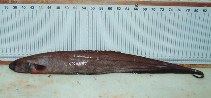
ການຖ່າຍທອດທາງກຳມະພັນຈາກພໍ່ແມ່ຫາລູກ: 14 - 17; ຄີກົ້ນຂອງປາ: 125 - 145; ສັດທີ່ມີກະດູກສັນຫຼັງ: 225 - 239. Presence of palatine and dentary teeth in two or more rows. Numerous dorsal spines. Small specimens are pale tan or pale bluish gray, large specimens are dark brown (Ref. 37108).
Body shape (shape guide): elongated.
Benthopelagic (Ref. 58302) and epibenthic (Ref. 58426). Not uncommon in depths around 180 m off Iceland and Greenland. Individuals with nearly ripe eggs have been found in late autumn off Iceland. Mostly found at depths well below 200 m, but enters slightly shallower water on Grand Banks in Canada (Ref. 7251). Feeds primarily on sea anemones (Ref. 4449).
Life cycle and mating behavior
ການຈະເລີນເຕັມໄວ | ການສືບພັນ | ການວາງໄຂ່ | ໄຂ່ | ຄວາມດົກຂອງໄຂ່ປາ | ຕົວອ່ອນ
Sulak, K.J., 1990. Notacanthidae. p. 133-135. In J.C. Quero, J.C. Hureau, C. Karrer, A. Post and L. Saldanha (eds.) Check-list of the fishes of the eastern tropical Atlantic (CLOFETA). JNICT, Lisbon; SEI, Paris; and UNESCO, Paris. Vol. 1. (Ref. 4449)
IUCN Red List Status (Ref. 130435: Version 2025-1)
Threat to humans
Harmless
Human uses
ການປະມົງ: ທີ່ບໍ່ມີຄວາມສົນໃຈ
ເຄື່ອງມື
Special reports
Download XML
ແຫຼ່ງອີນເຕີເນັດ
Estimates based on models
Preferred temperature (ເອກະສານອ້າງອີງ
123201): 1 - 14.9, mean 6.1 °C (based on 2531 cells).
Phylogenetic diversity index (ເອກະສານອ້າງອີງ
82804): PD
50 = 0.5039 [Uniqueness, from 0.5 = low to 2.0 = high].
Bayesian length-weight: a=0.00186 (0.00100 - 0.00347), b=3.07 (2.90 - 3.24), in cm total length, based on LWR estimates for this species & (Sub)family-body (Ref.
93245).
ຊັ້ນເຂດຮ້ອນ (ເອກະສານອ້າງອີງ
69278): 3.5 ±0.37 se; based on food items.
Generation time: 27.5 ( na - na) years. Estimated as median ln(3)/K based on 2
growth studies.
ຄວາມຢືດຢຸ່ນ (ເອກະສານອ້າງອີງ
120179): ຕຳ່, ປະຊາກອນຕຳ່ສຸດທີ່ໃຊ້ເວລາສອງເທົ່າ 4.5 - 14 ປີ (Assuming tmax>10).
Fishing Vulnerability (Ref.
59153): High to very high vulnerability (69 of 100).
🛈
Nutrients (Ref.
124155): Calcium = 9.83 [5.11, 21.37] mg/100g; Iron = 0.259 [0.129, 0.528] mg/100g; Protein = 16.1 [14.9, 17.3] %; Omega3 = 0.274 [0.129, 0.578] g/100g; Selenium = 39.1 [14.6, 106.8] μg/100g; VitaminA = 9.64 [1.93, 48.64] μg/100g; Zinc = 0.376 [0.235, 0.610] mg/100g (wet weight);