ກຸ່ມປາກະດູກອ່ອນ (ເຊັ່ນ: ປາສະຫລາມ, ປາຜາໄລ) (sharks and rays) >
Myliobatiformes (Stingrays) >
Dasyatidae (Stingrays) > Dasyatinae
Etymology: Pteroplatytrygon: Greek, pteron = wing, fin + Greek,platys = flat + Greek, trygon = a sting ray (Ref. 45335); violacea: From the Latin 'viola' meaning violet.
More on author: Bonaparte.
Environment: milieu / climate zone / ລະດັບຄວາມເລິກ / distribution range
ນິເວດວິທະຍາ
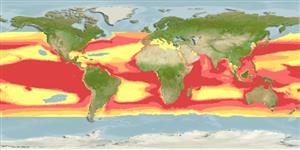
ສັດທະເລ pelagic-oceanic; ລະດັບຄວາມເລິກ 1 - 381 m (Ref. 58302), usually 1 - 100 m (Ref. 55209). Subtropical; 52°N - 50°S, 180°W - 180°E (Ref. 55209)
Probably cosmopolitan in tropical and subtropical seas. Eastern Pacific: Reported from Vancouver (Ref. 11980), from California (USA), Baja California (Mexico) to Chile, and the Galapagos Is. (Ref. 9068). Western Atlantic (Ref. 7251). Eastern Atlantic: Southeastern coasts of the Mediterranean and off Sicily; Reported from Cape Verde (Ref. 34514). Indian Ocean.
Length at first maturity / ຂະໜາດ / ນ້ຳໜັກ / Age
ການຈະເລີນເຕັມໄວ: Lm 45.0, range 40 - 50 cm
Max length : 96.0 cm WD ຕົວຜູ້/ບໍ່ມີເພດ; (Ref. 48844); common length : 80.0 cm WD ຕົວຜູ້/ບໍ່ມີເພດ; (Ref. 9254)
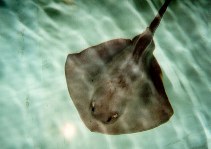
A thick, dark stingray with a broadly rounded snout and an angular pectoral disc; tail less than twice body length with a long lower caudal finfold ending far in front of tail tip, but with no upper finfold; disc without thorns; usually 1 extremely long sting on tail; eyes do not protrude (Ref. 5578). Uniformly violet, purple, or dark blue-green dorsally and ventrally (Ref. 3263). No prominent markings (Ref. 3263).
Body shape (shape guide): other.
Found in open, tropical and warm temperate waters usually in the first 100 m. Possibly the only totally pelagic member of the family (Ref. 6871). Feeds on coelenterates (including medusae), squid, decapod crustaceans, and fish. Ovoviviparous (Ref. 50449). Venomous spine on tail. Common catch of the pelagic tuna (and shark) longline and gillnet fisheries (drift, Ref. 75025) operating throughout the region (Ref. 58048); also by purse-seine and bottom trawls (Ref. 75025). Utilized for its meat and sometimes cartilage (Ref.58048). Total length 110 TL (80 cm WD) (Ref. 9254).
Exhibit ovoviparity (aplacental viviparity), with embryos feeding initially on yolk, then receiving additional nourishment from the mother by indirect absorption of uterine fluid enriched with mucus, fat or protein through specialised structures (Ref. 50449). Distinct pairing with embrace (Ref. 205). With 2 (Ref.58048) to 9 young born at 15-25 cm WD (Ref. 26346); after a gestation period of 4 months (Ref.58048).
Compagno, L.J.V., 1999. Checklist of living elasmobranchs. p. 471-498. In W.C. Hamlett (ed.) Sharks, skates, and rays: the biology of elasmobranch fishes. Johns Hopkins University Press, Maryland. (Ref. 35766)
IUCN Red List Status (Ref. 130435: Version 2025-1)
Human uses
ການປະມົງ: ເປັນສີນຄ້າ; ຊະນິດປາທີ່ຖືກນຳໃຊ້ເຂົ້າໃນການຫາເພື່ອເປັນເກມກິລາ: ແມ່ນ
ເຄື່ອງມື
Special reports
Download XML
ແຫຼ່ງອີນເຕີເນັດ
Estimates based on models
Preferred temperature (ເອກະສານອ້າງອີງ
123201): 12 - 28.6, mean 24.8 °C (based on 5148 cells).
Phylogenetic diversity index (ເອກະສານອ້າງອີງ
82804): PD
50 = 1.0000 [Uniqueness, from 0.5 = low to 2.0 = high].
Bayesian length-weight: a=0.00468 (0.00195 - 0.01123), b=3.12 (2.92 - 3.32), in cm total length, based on LWR estimates for this (Sub)family-body shape (Ref.
93245).
ຊັ້ນເຂດຮ້ອນ (ເອກະສານອ້າງອີງ
69278): 4.4 ±0.54 se; based on food items.
ຄວາມຢືດຢຸ່ນ (ເອກະສານອ້າງອີງ
120179): ຕຳ່ຫຼາຍ, ປະຊາກອນຕຳ່ສຸດທີ່ໃຊ້ເວລາສອງເທົ່າຫຼາຍກວ່າ 14 ປີ (K=0.18 (captivity); Fec=1-9 (could probably have 2 litters per year)).
Fishing Vulnerability (Ref.
59153): High vulnerability (63 of 100).
🛈
Nutrients (Ref.
124155): Calcium = 19.5 [4.9, 91.5] mg/100g; Iron = 0.96 [0.25, 2.71] mg/100g; Protein = 22.8 [19.9, 25.8] %; Omega3 = 0.354 [0.107, 1.041] g/100g; Selenium = 20.5 [5.9, 52.0] μg/100g; VitaminA = 15.6 [5.9, 43.5] μg/100g; Zinc = 0.475 [0.235, 0.879] mg/100g (wet weight);