>
Eupercaria/misc (Various families in series Eupercaria) >
Lethrinidae (Emperors or scavengers) > Lethrininae
Etymology: Lethrinus: Greek, lethrinia, a fish pertaining to genus Pagellus.
More on author: Valenciennes.
Environment: milieu / climate zone / ລະດັບຄວາມເລິກ / distribution range
ນິເວດວິທະຍາ
ສັດທະເລ; ນ້ຳກ່ອຍ ກ່ຽວກັນຫີນ; ບໍ່ມີການເຄື່ອນຍ້າຍ; ລະດັບຄວາມເລິກ 5 - 25 m (Ref. 1602). Tropical; 35°N - 30°S
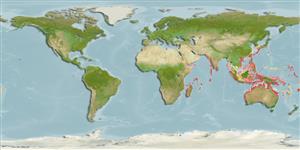
Indo-West Pacific: Indonesia (including eastern Indian Ocean side), northwestern Australia, Philippines, southern Japan, Papua New Guinea and the Caroline Islands. This species has long been recognized as Lethrinus nematacanthus and the name Lethrinus genivittatus misassociated with many other species.
ຂະໜາດ / ນ້ຳໜັກ / Age
ການຈະເລີນເຕັມໄວ: Lm ? range ? - ? cm
Max length : 25.0 cm TL ຕົວຜູ້/ບໍ່ມີເພດ; (Ref. 2295); common length : 15.0 cm TL ຕົວຜູ້/ບໍ່ມີເພດ; (Ref. 2295); ອາຍຸສູງສຸດທີ່ເຄຍລາຍງານມາ: 7 ປີ (Ref. 2290)
ຄີ (ໜາມ)ແຂງຢູ່ຫຼັງປາ (ທັງໝົດ) : 10; ຄີຫຼັງຂອງປາ (ຄີອ່ອນ) (ທັງໝົດ) : 9; ຄີ(ໜາມ) ແຂງຢູ່ຄີກົ້ນປາ
ກຸ່ມປາກະດູກແຂງ
ຄວາມຖີ່ຂອງກຸ່ມຖ່າຍທອດພັນ
ປາທີ່ມີການເຄື່ອນຍ້າຍຈາກທະເລໄປຫານ້ຳຈືດ ແລະນ້ຳຈືດຫາທະເລ
ປາທີ່ມີການເຄື່ອນຍ້າຍຈາກທະເລແລະໄປໄຂ່ຢູ່ນ້ຳຈືດ
ຄີກົ້ນຂອງປາ
ສັດທີ່ມີກະດູກສັນຫັຼງ
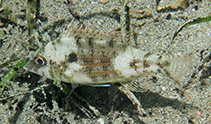
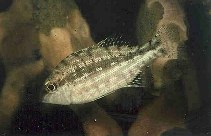
ການຖ່າຍທອດທາງກຳມະພັນຈາກພໍ່ແມ່ຫາລູກ: 3; ຄີກົ້ນຂອງປາ: 8. The only Lethrinus with its 2nd dorsal spine the longest. The inner surface of the pectoral fin may be scaleless, partially covered with scales or densely covered with scales. Body color is tan or brown on the upper sides, white on the lower sides, with three tan or brown stripes. The sides often have scattered irregular black oblique bars and a square black blotch above the pectoral fin and bordering below the lateral line. The head is brown or tan sometimes with several broad, somewhat indistinct vertical and oblique bands (these bands are sometimes composed of fine reticulations). The fins are pale, speckled with small white blotches.
Body shape (shape guide): fusiform / normal; Cross section: oval.
Solitary or in groups (Ref. 90102). Occurs over shallow sandy and seagrass beds, in mangrove swamps, lagoons, channels and outer reef slopes. May enter rivers. Feeds on crustaceans and small fishes. A protogynous hermaphrodite (Ref. 55367). A protracted spawning peak from July to December is recorded in New Caledonia. Smaller and more numerous females than males have been confirmed in Australian populations. Marketed fresh (Ref. 9775).
Life cycle and mating behavior
ການຈະເລີນເຕັມໄວ | ການສືບພັນ | ການວາງໄຂ່ | ໄຂ່ | ຄວາມດົກຂອງໄຂ່ປາ | ຕົວອ່ອນ
A monandric species (Ref. 55367). Length at sex change = 18.0 cm TL (Ref. 55367). Also Ref. 103751.
Carpenter, K.E. and G.R. Allen, 1989. FAO Species Catalogue. Vol. 9. Emperor fishes and large-eye breams of the world (family Lethrinidae). An annotated and illustrated catalogue of lethrinid species known to date. FAO Fish. Synop. 125(9):118 p. Rome: FAO. (Ref. 2295)
IUCN Red List Status (Ref. 130435: Version 2025-1)
Threat to humans
Harmless
Human uses
ການປະມົງ: ທີ່ເປັນການຄ້າໜ້ອຍ
ເຄື່ອງມື
Special reports
Download XML
ແຫຼ່ງອີນເຕີເນັດ
Estimates based on models
Preferred temperature (ເອກະສານອ້າງອີງ
123201): 24.7 - 29.3, mean 28.4 °C (based on 2863 cells).
Phylogenetic diversity index (ເອກະສານອ້າງອີງ
82804): PD
50 = 0.5000 [Uniqueness, from 0.5 = low to 2.0 = high].
Bayesian length-weight: a=0.01318 (0.00847 - 0.02052), b=2.98 (2.86 - 3.10), in cm total length, based on LWR estimates for this species & Genus-body shape (Ref.
93245).
ຊັ້ນເຂດຮ້ອນ (ເອກະສານອ້າງອີງ
69278): 3.7 ±0.0 se; based on diet studies.
Generation time: 1.3 ( na - na) years. Estimated as median ln(3)/K based on 2
growth studies.
ຄວາມຢືດຢຸ່ນ (ເອກະສານອ້າງອີງ
120179): ຂະໜາດກາງ, ປະຊາກອນຕຳ່ສຸດທີ່ໃຊ້ເວລາສອງເທົ່າ 1.4 - 4.4 ປີ (tmax=7; K=0.86).
Fishing Vulnerability (Ref.
59153): Low vulnerability (17 of 100).
🛈
Nutrients (Ref.
124155): Calcium = 78.8 [52.0, 133.1] mg/100g; Iron = 1.09 [0.68, 1.75] mg/100g; Protein = 20.5 [17.9, 22.8] %; Omega3 = 0.148 [0.096, 0.231] g/100g; Selenium = 33 [19, 62] μg/100g; VitaminA = 29.6 [6.0, 178.6] μg/100g; Zinc = 3.07 [2.21, 4.16] mg/100g (wet weight);