



Clupea pallasii Valenciennes, 1847
Pacific herring
ອັບໂຫລດຂອງທ່ານ ຮູບພາບ ແລະ ວິດີໂອ
ຮູບ | ວິດີໂອ | Google image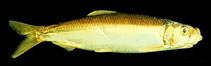 Clupea pallasii
ຮູບພາບໂດຍ Fritzsche, R.A./J.W. Cavanagh
ຮູບ | ວິດີໂອ | Google image
ຮູບພາບໂດຍ Fritzsche, R.A./J.W. Cavanagh
ການຈັດປະເພດ / ຊື່ ຊື່ສາມັນ | ຄຳສັບຄ້າຍຄືກັນ | Catalog of Fishes(ຕະກຸນ, ຊະນິດ) | ITIS | CoL | WoRMS | Cloffa
> Clupeiformes (Herrings) > Clupeidae (Herrings, shads, sardines, menhadens)
Etymology: Clupea: Latin, clupea = sardine, derived from Clupeus = shield; doubtless a reference to the scales covering the body of the fish + Greek, odous = teeth (Ref. 45335); pallasii: Named after Petrus Simon Pallas, great Russian naturalist and explorer (Ref. 6885).
Eponymy: Peter Simon Pallas (1741–1811) was a German-born Russian (1767) explorer, zoologist and one of greatest 18th century naturalists. [...] (Ref. 128868), visit book page.
More on author: Valenciennes.
Etymology: Clupea: Latin, clupea = sardine, derived from Clupeus = shield; doubtless a reference to the scales covering the body of the fish + Greek, odous = teeth (Ref. 45335); pallasii: Named after Petrus Simon Pallas, great Russian naturalist and explorer (Ref. 6885).
Eponymy: Peter Simon Pallas (1741–1811) was a German-born Russian (1767) explorer, zoologist and one of greatest 18th century naturalists. [...] (Ref. 128868), visit book page.
More on author: Valenciennes.
ສະພາບແວດລ້ອມ: ສະພາບແວດລ້ອມ / ເຂດດິນຟ້າອາກາດ / ລະດັບຄວາມເລິກ / ຂອບເຂດການແຈກຢາຍ ນິເວດວິທະຍາ
ສັດທະເລ; ນ້ຳຈືດ; ນ້ຳກ່ອຍ pelagic-neritic; ບໍ່ມີການເຄື່ອນຍ້າຍ; ລະດັບຄວາມເລິກ 0 - 475 m (Ref. 117245). Temperate; 77°N - 33°N, 34°E - 119°W (Ref. 54336)
ການແຜ່ກະຈາຍ ອານາເຂດ | ເຂດ FAO | ລະບົບນິເວດ | ການປະກົດຕົວ | ຈຸດໃດໜຶ່ງທີ່ສະແດງອອກໃນແຜນທີ່ (ພ້ອມທັງສະແດງຂໍ້ມູນເພີ້ນເຕີມ) | ການແນະນຳ | Faunafri
Arctic: White Sea eastward to Ob inlet. Western Pacific: Anadyr Bay, eastern coasts of Kamchatka, possibly the Aleutian Islands southward to Japan and west coast of Korea. Eastern Pacific: Kent Peninsula at 107°W and Beaufort Sea southward to northern Baja California, Mexico.
ຄວາມຍາວໃນການເຕີບໂຕເຕັມຄັ້ງທໍາອິດ / ຂະໜາດ / ນ້ຳໜັກ / ອາຍຸ
ການຈະເລີນເຕັມໄວ: Lm 21.4 range ? - ? cm
Max length : 46.0 cm TL ຕົວຜູ້/ບໍ່ມີເພດ; (Ref. 27436); common length : 25.0 cm SL ຕົວຜູ້/ບໍ່ມີເພດ; (Ref. 188); ອາຍຸສູງສຸດທີ່ເຄຍລາຍງານມາ: 19 ປີ (Ref. 27547)
Max length : 46.0 cm TL ຕົວຜູ້/ບໍ່ມີເພດ; (Ref. 27436); common length : 25.0 cm SL ຕົວຜູ້/ບໍ່ມີເພດ; (Ref. 188); ອາຍຸສູງສຸດທີ່ເຄຍລາຍງານມາ: 19 ປີ (Ref. 27547)
ຄຳອະທິບາຍສັ້ນໆ ຕົວທີ່ໃຊ້ໃນການຈຳແນກຊະນິດ | ສະລີລະວິທະຍາ | ການວັດແທກຮູບຮ່າງລັກສະນະພາຍນອກຂອງດິນ,ສັດ,ປາ…
ຄີ (ໜາມ)ແຂງຢູ່ຫຼັງປາ (ທັງໝົດ) : 0; ຄີຫຼັງຂອງປາ (ຄີອ່ອນ) (ທັງໝົດ) : 13 - 21; ຄີ(ໜາມ) ແຂງຢູ່ຄີກົ້ນປາ
ກຸ່ມປາກະດູກແຂງ
ຄວາມຖີ່ຂອງກຸ່ມຖ່າຍທອດພັນ
ປາທີ່ມີການເຄື່ອນຍ້າຍຈາກທະເລໄປຫານ້ຳຈືດ ແລະນ້ຳຈືດຫາທະເລ
ປາທີ່ມີການເຄື່ອນຍ້າຍຈາກທະເລແລະໄປໄຂ່ຢູ່ນ້ຳຈືດ
ຄີກົ້ນຂອງປາ
ສັດທີ່ມີກະດູກສັນຫັຼງ
ການຖ່າຍທອດທາງກຳມະພັນຈາກພໍ່ແມ່ຫາລູກ: 0; ຄີກົ້ນຂອງປາ: 12 - 23; ສັດທີ່ມີກະດູກສັນຫຼັງ: 46 - 58. Without prominent keel; no median notch in upper jaw. Gill cover without radiating bony striae. No distinctive dark spots on body or fins. Overlaps C. harengus in White Sea, but distinguished by fewer vertebrae (usually 52 to 55; cf. usually 55 to 57) and fewer post-pelvic scutes (10 to 14; cf. 12 to 16). Dark blue to olivaceous above, shading to silver below (Ref. 27547). Precaudal vertebrae: 29-31-32; caudal vertebrae: 19-22-22 (Ref. 265).
Body shape (shape guide): fusiform / normal; Cross section: compressed.
Body shape (shape guide): fusiform / normal; Cross section: compressed.
Neritic species (Ref. 11230). A coastal and schooling species (Ref. 188). Landlocked populations exist. Mature adults migrate inshore, entering estuaries to breed. During the summer of their first year, young form schools in shallow bays, inlets and channels that appear at the surface; these schools disappear in the fall and remain in deep water for the next 2-3 years (Ref. 6885, 27547). Young feed mainly on crustaceans, but also take decapod and mollusk larvae; adults prey mainly on large crustaceans and small fishes (Ref. 6885, 27547). Because it does not undertake extensive coastal migrations, the mixing of local populations is relatively rare (Ref. 27547). In the eastern Pacific, the fish is mainly caught for roe markets in Asia (Ref. 9988). There is a fishery for eggs laid on kelp, which when salted, is called kazunoko-kombu, and is considered a delicacy in Japan (Ref. 27547). Used in Chinese medicine (Ref. 12166). Utilized fresh, dried or salted, smoked, canned, and frozen; eaten pan-fried, broiled, and baked (Ref. 9988). Possibly to 475 m depth (Ref. 6793).
ວົງຈອນຊີວິດ ແລະພຶດຕິກໍາການຫາຄູ່ ການຈະເລີນເຕັມໄວ | ການສືບພັນ | ການວາງໄຂ່ | ໄຂ່ | ຄວາມດົກຂອງໄຂ່ປາ | ຕົວອ່ອນ
Oviparous (Ref. 265). A female turns to her side, deposits her eggs on the bottom and resumes an upright posture. This procedure is repeated until all eggs have been laid, which may take several days (Ref. 11548). As eggs are being deposited, males are releasing milt, fertilizing the eggs (Ref. 27547). There is no observable pairing of the sexes; the whole spawning area is white with milt (Ref. 11558).
ເອກະສານອ້າງອີງຫຼັກ
ອັບໂຫລດເອກະສານອ້າງອີງຂອງທ່ານ | ເອກະສານອ້າງອີງ | ຜູ້ປະສານງານ | ຜູ້ຮ່ວມມື
Whitehead, P.J.P., 1985. FAO Species Catalogue. Vol. 7. Clupeoid fishes of the world (suborder Clupeoidei). An annotated and illustrated catalogue of the herrings, sardines, pilchards, sprats, shads, anchovies and wolf-herrings. FAO Fish. Synop. 125(7/1):1-303. Rome: FAO. (Ref. 188)
ສະຖານະພາບບັນຊີແດງຂອງ IUCN (Ref. 130435: Version 2025-2 (Global))
Data deficient (DD) ; Date assessed: 21 February 2019
CITES
Not Evaluated
ໄພຂົ່ມຂູ່ຕໍ່ມະນຸດ
Harmless
ການນໍາໃຊ້ຂອງມະນຸດ
ການປະມົງ: ທີ່ມີການຄ້າສູງ; ຊະນິດປາທີ່ຖືກນຳໃຊ້ເຂົ້າໃນການຫາເພື່ອເປັນເກມກິລາ: ແມ່ນ; ເຍື່ອ: usually
FAO - ການປະມົງ: ການລົງຈອດ, ໂປຣໄຟລ໌ສາຍພັນ; Publication: search | FishSource | ທະເລອ້ອມຂ້າງພວກເຮົາ
ຂໍ້ມູນຕື່ມອີກ
ນະໂຍບາຍດ້ານປະຊາກອນ
ຕົວວັດແທກການເຕີບໃຫຍ່
ສູງສຸດ. ອາຍຸ / ຂະຫນາດ
ຄວາມຍາວ-ນ້ໍາຫນັກ rel.
ຄວາມຍາວ - ຄວາມຍາວ rel.
ຄວາມຖີ່ຄວາມຍາວ
ການແປງມະຫາຊົນ
ການທົດແທນທີ່
ຄວາມອຸດົມສົມບູນ
ຕົວວັດແທກການເຕີບໃຫຍ່
ສູງສຸດ. ອາຍຸ / ຂະຫນາດ
ຄວາມຍາວ-ນ້ໍາຫນັກ rel.
ຄວາມຍາວ - ຄວາມຍາວ rel.
ຄວາມຖີ່ຄວາມຍາວ
ການແປງມະຫາຊົນ
ການທົດແທນທີ່
ຄວາມອຸດົມສົມບູນ
ວົງຈອນຊີວິດ
ການສືບພັນ
ການຈະເລີນເຕັມໄວ
ການເຕີບໃຫຍ່ / Gills rel.
ຄວາມດົກຂອງໄຂ່ປາ
ການວາງໄຂ່
ການລວບລວມການວາງໄຂ່
ໄຂ່
ການພັດທະນາໄຂ່
ຕົວອ່ອນ
ການປ່ຽນແປງຂອງຕົວອ່ອນ
ການສືບພັນ
ການຈະເລີນເຕັມໄວ
ການເຕີບໃຫຍ່ / Gills rel.
ຄວາມດົກຂອງໄຂ່ປາ
ການວາງໄຂ່
ການລວບລວມການວາງໄຂ່
ໄຂ່
ການພັດທະນາໄຂ່
ຕົວອ່ອນ
ການປ່ຽນແປງຂອງຕົວອ່ອນ
ຮ່າງກາຍ
ເນື້ອທີ່ເຫືອກ
ສະໝອງ
ໂອໂຕລິດ
ເນື້ອທີ່ເຫືອກ
ສະໝອງ
ໂອໂຕລິດ
ຟີຊິກສາດ
ອົງປະກອບຂອງຮ່າງກາຍ
ທາດອາຫານ
ການບໍລິໂພກອົກຊີເຈນ
ປະເພດລອຍ
ຄວາມໄວໃນການລອຍ
ເມັດສີທີ່ເບິ່ງເຫັນ
ສຽງປາ
ພະຍາດ & ກາຝາກ
ຄວາມເປັນພິດ (LC50s)
ອົງປະກອບຂອງຮ່າງກາຍ
ທາດອາຫານ
ການບໍລິໂພກອົກຊີເຈນ
ປະເພດລອຍ
ຄວາມໄວໃນການລອຍ
ເມັດສີທີ່ເບິ່ງເຫັນ
ສຽງປາ
ພະຍາດ & ກາຝາກ
ຄວາມເປັນພິດ (LC50s)
ມະນຸດທີ່ກ່ຽວຂ້ອງ
ລະບົບການລ້ຽງປາ
ຂໍ້ມູນການລ້ຽງສັດນ້ຳ
ສາຍພັນ
ກໍລະນີ Ciguatera
ສະແຕມ, ຫຼຽນ, ອື່ນໆ.
ລະບົບການລ້ຽງປາ
ຂໍ້ມູນການລ້ຽງສັດນ້ຳ
ສາຍພັນ
ກໍລະນີ Ciguatera
ສະແຕມ, ຫຼຽນ, ອື່ນໆ.
ເຄື່ອງມື
Bio Quiz | E-book | ຄູ່ມືພາກສະໜາມ | ຄວາມຖີ່ຂອງຄວາມຍາວປາ | ເຄື່ອງມືຂອງຊີວະປະຫວັດທາງດ້ານຊີວິດ | ຈຸດໃດໜຶ່ງທີ່ສະແດງອອກໃນແຜນທີ່ (ພ້ອມທັງສະແດງຂໍ້ມູນເພີ້ນເຕີມ) |
ຈັບ-MSY |
ບົດລາຍງານພິເສດ
ກວດສອບການບໍາລຸງຮັກສາຕູ້ປາ | ກວດເບິ່ງເອກະສານຄວາມຈິງຂອງຊະນິດ | ກວດເບິ່ງເອກະສານຄວາມເປັນຈິງການລ້ຽງສັດນ້ຳ
ດາວໂຫລດ XML
ແຫຼ່ງອີນເຕີເນັດ
AFORO (otoliths) | Aquatic Commons | BHL | Cloffa | Websites from users | Check FishWatcher | CISTI | Catalog of Fishes: ຕະກຸນ, ຊະນິດ | DiscoverLife | ECOTOX | FAO - ການປະມົງ: ການລົງຈອດ, ໂປຣໄຟລ໌ສາຍພັນ; Publication: search | Faunafri | Fishipedia | Fishtrace | GloBI | Google Books | Google Scholar | Google | IGFA World Record | OceanAdapt | OneZoom | Open Tree of Life | Otolith Atlas of Taiwan Fishes | PubMed | Reef Life Survey | Socotra Atlas | TreeBase | ແຜນທີ່ສະແດງກິ່ງງ່າຂອງເຊື້ອຕະກຸນປາ, ສັດ ຈາກບັນພະບູລຸດຈົນເຖິງຫລານ | Wikipedia: Go, ຊອກຫາ | World Records Freshwater Fishing | Zoobank | ການບັນທຶກດ້ານສັດວິທະຍາ
ການຄາດຄະເນໂດຍອີງໃສ່ແບບຈໍາລອງ
ອຸນຫະພູມທີ່ຕ້ອງການ (ເອກະສານອ້າງອີງ 123201): 0.2 - 9.7, mean 2.8 °C (based on 966 cells).
ດັດຊະນີຄວາມຫຼາກຫຼາຍທາງຊີວະພາບ (ເອກະສານອ້າງອີງ 82804): PD50 = 0.6250 [Uniqueness, from 0.5 = low to 2.0 = high].
Bayesian length-weight: a=0.00617 (0.00494 - 0.00770), b=3.13 (3.07 - 3.19), in cm total length, based on LWR estimates for this species (Ref. 93245).
ຊັ້ນເຂດຮ້ອນ (ເອກະສານອ້າງອີງ 69278): 3.2 ±0.2 se; based on diet studies.
Generation time: 4.2 (2.3 - 5.9) years. Estimated as median ln(3)/K based on 13 growth studies.
ຄວາມຢືດຢຸ່ນ (ເອກະສານອ້າງອີງ 120179): ຂະໜາດກາງ, ປະຊາກອນຕຳ່ສຸດທີ່ໃຊ້ເວລາສອງເທົ່າ 1.4 - 4.4 ປີ (Musick et al. 2000 (Ref. 36717)).
Prior r = 0.74, 95% CL = 0.49 - 1.11, Based on 4 full stock assessments.
ທາດອາຫານ (Ref. 124155): Calcium = 113 [31, 265] mg/100g; Iron = 0.652 [0.379, 1.109] mg/100g; Protein = 18.4 [16.4, 20.3] %; Omega3 = 1 [1, 2] g/100g; Selenium = 16 [5, 49] μg/100g; VitaminA = 15.1 [3.4, 67.2] μg/100g; Zinc = 1.18 [0.62, 2.02] mg/100g (wet weight); based on nutrient studies.