



Scomberomorus commerson (Lacepède, 1800)
Narrow-barred Spanish mackerel
ເພີ່ມການສັງເກດຂອງທ່ານໃນ Fish Watcher
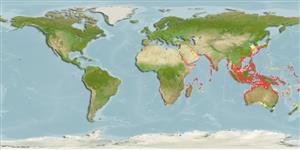
| Native range | All suitable habitat | Point map | Year 2050 |
|
| This map was computer-generated and has not yet been reviewed. |
| Scomberomorus commerson AquaMaps Data sources: GBIF OBIS |
ອັບໂຫລດຂອງທ່ານ ຮູບພາບ ແລະ ວິດີໂອ
ຮູບ | ວິດີໂອ | ສະແຕມ, ຫຼຽນ, ອື່ນໆ. | Google image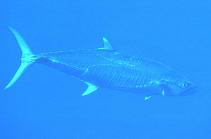 Scomberomorus commerson
ຮູບພາບໂດຍ Patzner, R.
ຮູບ | ວິດີໂອ | ສະແຕມ, ຫຼຽນ, ອື່ນໆ. | Google image
ຮູບພາບໂດຍ Patzner, R.
ການຈັດປະເພດ / ຊື່ ຊື່ສາມັນ | ຄຳສັບຄ້າຍຄືກັນ | Catalog of Fishes(ຕະກຸນ, ຊະນິດ) | ITIS | CoL | WoRMS | Cloffa
> Scombriformes (Mackerels) > Scombridae (Mackerels, tunas, bonitos) > Scombrinae
Etymology: Scomberomorus: Latin, scomber = mackerel + Greek, moros = silly, stupid (Ref. 45335).
Eponymy: Dr Philibert Commerson (1727–1773) was known as ‘doctor, botanist and naturalist of the King’. [...] (Ref. 128868), visit book page.
More on author: Lacepède.
Etymology: Scomberomorus: Latin, scomber = mackerel + Greek, moros = silly, stupid (Ref. 45335).
Eponymy: Dr Philibert Commerson (1727–1773) was known as ‘doctor, botanist and naturalist of the King’. [...] (Ref. 128868), visit book page.
More on author: Lacepède.
ສະພາບແວດລ້ອມ: ສະພາບແວດລ້ອມ / ເຂດດິນຟ້າອາກາດ / ລະດັບຄວາມເລິກ / ຂອບເຂດການແຈກຢາຍ ນິເວດວິທະຍາ
ສັດທະເລ pelagic-neritic; ປາທີ່ມີການເຄື່ອນຍ້າຍໃນສະເພາະມາະຫາສະມຸດ (Ref. 51243); ລະດັບຄວາມເລິກ 10 - 70 m (Ref. 12260). Tropical; 39°N - 41°S, 7°W - 170°W (Ref. 54880)
ການແຜ່ກະຈາຍ ອານາເຂດ | ເຂດ FAO | ລະບົບນິເວດ | ການປະກົດຕົວ | ຈຸດໃດໜຶ່ງທີ່ສະແດງອອກໃນແຜນທີ່ (ພ້ອມທັງສະແດງຂໍ້ມູນເພີ້ນເຕີມ) | ການແນະນຳ | Faunafri
Southeast Atlantic: St. Helena. Indo-West Pacific: Red Sea and South Africa to Southeast Asia, north to China and Japan and south to southeast Australia, and to Fiji (Ref. 6390). Lessepsian migrant to the Mediterranean Sea.
ຄວາມຍາວໃນການເຕີບໂຕເຕັມຄັ້ງທໍາອິດ / ຂະໜາດ / ນ້ຳໜັກ / ອາຍຸ
ການຈະເລີນເຕັມໄວ: Lm 75.2, range 55 - 82 cm
Max length : 240 cm FL ຕົວຜູ້/ບໍ່ມີເພດ; (Ref. 5765); common length : 120 cm TL ຕົວຜູ້/ບໍ່ມີເພດ; (Ref. 5450); ນ້ຳໜັກສູງສຸດທີ່ເຄຍຈັດພີມມາ: 70.0 kg (Ref. 5765); ອາຍຸສູງສຸດທີ່ເຄຍລາຍງານມາ: 22 ປີ (Ref. 50580)
Max length : 240 cm FL ຕົວຜູ້/ບໍ່ມີເພດ; (Ref. 5765); common length : 120 cm TL ຕົວຜູ້/ບໍ່ມີເພດ; (Ref. 5450); ນ້ຳໜັກສູງສຸດທີ່ເຄຍຈັດພີມມາ: 70.0 kg (Ref. 5765); ອາຍຸສູງສຸດທີ່ເຄຍລາຍງານມາ: 22 ປີ (Ref. 50580)
ຄຳອະທິບາຍສັ້ນໆ ຕົວທີ່ໃຊ້ໃນການຈຳແນກຊະນິດ | ສະລີລະວິທະຍາ | ການວັດແທກຮູບຮ່າງລັກສະນະພາຍນອກຂອງດິນ,ສັດ,ປາ…
ຄີ (ໜາມ)ແຂງຢູ່ຫຼັງປາ (ທັງໝົດ) : 15 - 18; ຄີຫຼັງຂອງປາ (ຄີອ່ອນ) (ທັງໝົດ) : 15 - 20; ຄີ(ໜາມ) ແຂງຢູ່ຄີກົ້ນປາ
ກຸ່ມປາກະດູກແຂງ
ຄວາມຖີ່ຂອງກຸ່ມຖ່າຍທອດພັນ
ປາທີ່ມີການເຄື່ອນຍ້າຍຈາກທະເລໄປຫານ້ຳຈືດ ແລະນ້ຳຈືດຫາທະເລ
ປາທີ່ມີການເຄື່ອນຍ້າຍຈາກທະເລແລະໄປໄຂ່ຢູ່ນ້ຳຈືດ
ຄີກົ້ນຂອງປາ
ສັດທີ່ມີກະດູກສັນຫັຼງ
ການຖ່າຍທອດທາງກຳມະພັນຈາກພໍ່ແມ່ຫາລູກ: 0; ຄີກົ້ນຂອງປາ: 16 - 21; ສັດທີ່ມີກະດູກສັນຫຼັງ: 42 - 46. This species is distinguished by the following characters: body elongate (depth 4.8-5.6 in SL), moderately strongly compressed; upper jaw reaching to posterior margin of eye or slightly beyond; teeth in jaws strong and compressed; gill rakers of first gill arch 0-2 on upper limb and 1-8 on lower limb, total 1-8; 2 dorsal fins, D1 XV-XVIII and D2 15-20, followed by 8-11 finlets; anal fin originating below midpoint of second dorsal fin, with 16-21 soft rays, followed by 7-12 finlets; lateral line abruptly bent downward below end of second dorsal fin. Colour of back iridescent blue-grey, sides silver with bluish reflections, marked with numerous thin, wavy vertical bands; number of bars increases from as few as 20 in a 40 cm specimen to as many as 65 at 150 cm; juveniles frequently spotted (Ref. 9684, 90102).
Body shape (shape guide): fusiform / normal; Cross section: oval.
Body shape (shape guide): fusiform / normal; Cross section: oval.
A pelagic fish, inhabiting near edge of continental shelf to shallow coastal waters, often of low salinity and high turbidity (Ref. 30199, 48637); also found in drop-offs, and shallow or gently sloping reef and lagoon waters (Ref. 1602, 48637). Feed primarily on small fishes like anchovies, clupeids, carangids, also squids and penaeoid shrimps. Usually hunts solitary and often swim in shallow water along coastal slopes (Ref. 48637). Eggs and larvae are pelagic (Ref. 6769). Caught mainly with drift gill nets, bamboo stake traps, midwater trawls, and by trolling. Marketed mainly fresh; also dried-salted; commonly made into fish balls (Ref. 9684), frozen, smoked, and canned (Ref. 9987). A lipid-soluble toxin, similar to ciguatoxin has been found in the flesh of specimens caught on the east coast of Queensland, Australia. Known to undertake lengthy long-shore migrations, but permanent resident populations also seem to exist.
ວົງຈອນຊີວິດ ແລະພຶດຕິກໍາການຫາຄູ່ ການຈະເລີນເຕັມໄວ | ການສືບພັນ | ການວາງໄຂ່ | ໄຂ່ | ຄວາມດົກຂອງໄຂ່ປາ | ຕົວອ່ອນ
Depending on temperature regime, the spawning season may be more or less extended.
In Australian waters, each female spawns several times over the season, about 2 to 6 days apart (Ref. 30196), depending on the locality. Spanish mackerel spawn off the reef slopes and edges, and they form spawning aggregations in specific areas (Ref. 6390).
ເອກະສານອ້າງອີງຫຼັກ
ອັບໂຫລດເອກະສານອ້າງອີງຂອງທ່ານ | ເອກະສານອ້າງອີງ | ຜູ້ປະສານງານ : Collette, Bruce B. | ຜູ້ຮ່ວມມື
Collette, B.B. and C.E. Nauen, 1983. FAO Species Catalogue. Vol. 2. Scombrids of the world. An annotated and illustrated catalogue of tunas, mackerels, bonitos and related species known to date. Rome: FAO. FAO Fish. Synop. 125(2):137 p. (Ref. 168)
ສະຖານະພາບບັນຊີແດງຂອງ IUCN (Ref. 130435: Version 2025-2 (Global))
Near Threatened (NT) (A2bd); Date assessed: 10 November 2022
CITES
Not Evaluated
ໄພຂົ່ມຂູ່ຕໍ່ມະນຸດ
Reports of ciguatera poisoning (Ref. 168)
ການນໍາໃຊ້ຂອງມະນຸດ
ການປະມົງ: ທີ່ມີການຄ້າສູງ; ຊະນິດປາທີ່ຖືກນຳໃຊ້ເຂົ້າໃນການຫາເພື່ອເປັນເກມກິລາ: ແມ່ນ
FAO - ການປະມົງ: ການລົງຈອດ, ໂປຣໄຟລ໌ສາຍພັນ; Publication: search | FishSource | ທະເລອ້ອມຂ້າງພວກເຮົາ
ຂໍ້ມູນຕື່ມອີກ
ນະໂຍບາຍດ້ານປະຊາກອນ
ຕົວວັດແທກການເຕີບໃຫຍ່
ສູງສຸດ. ອາຍຸ / ຂະຫນາດ
ຄວາມຍາວ-ນ້ໍາຫນັກ rel.
ຄວາມຍາວ - ຄວາມຍາວ rel.
ຄວາມຖີ່ຄວາມຍາວ
ການແປງມະຫາຊົນ
ການທົດແທນທີ່
ຄວາມອຸດົມສົມບູນ
ຕົວວັດແທກການເຕີບໃຫຍ່
ສູງສຸດ. ອາຍຸ / ຂະຫນາດ
ຄວາມຍາວ-ນ້ໍາຫນັກ rel.
ຄວາມຍາວ - ຄວາມຍາວ rel.
ຄວາມຖີ່ຄວາມຍາວ
ການແປງມະຫາຊົນ
ການທົດແທນທີ່
ຄວາມອຸດົມສົມບູນ
ວົງຈອນຊີວິດ
ການສືບພັນ
ການຈະເລີນເຕັມໄວ
ການເຕີບໃຫຍ່ / Gills rel.
ຄວາມດົກຂອງໄຂ່ປາ
ການວາງໄຂ່
ການລວບລວມການວາງໄຂ່
ໄຂ່
ການພັດທະນາໄຂ່
ຕົວອ່ອນ
ການປ່ຽນແປງຂອງຕົວອ່ອນ
ການສືບພັນ
ການຈະເລີນເຕັມໄວ
ການເຕີບໃຫຍ່ / Gills rel.
ຄວາມດົກຂອງໄຂ່ປາ
ການວາງໄຂ່
ການລວບລວມການວາງໄຂ່
ໄຂ່
ການພັດທະນາໄຂ່
ຕົວອ່ອນ
ການປ່ຽນແປງຂອງຕົວອ່ອນ
ຟີຊິກສາດ
ອົງປະກອບຂອງຮ່າງກາຍ
ທາດອາຫານ
ການບໍລິໂພກອົກຊີເຈນ
ປະເພດລອຍ
ຄວາມໄວໃນການລອຍ
ເມັດສີທີ່ເບິ່ງເຫັນ
ສຽງປາ
ພະຍາດ & ກາຝາກ
ຄວາມເປັນພິດ (LC50s)
ອົງປະກອບຂອງຮ່າງກາຍ
ທາດອາຫານ
ການບໍລິໂພກອົກຊີເຈນ
ປະເພດລອຍ
ຄວາມໄວໃນການລອຍ
ເມັດສີທີ່ເບິ່ງເຫັນ
ສຽງປາ
ພະຍາດ & ກາຝາກ
ຄວາມເປັນພິດ (LC50s)
ເຄື່ອງມື
Bio Quiz | E-book | ຄູ່ມືພາກສະໜາມ | ຕົວທີ່ໃຊ້ໃນການຈຳແນກຊະນິດ | ຄວາມຖີ່ຂອງຄວາມຍາວປາ | ເຄື່ອງມືຂອງຊີວະປະຫວັດທາງດ້ານຊີວິດ | ຈຸດໃດໜຶ່ງທີ່ສະແດງອອກໃນແຜນທີ່ (ພ້ອມທັງສະແດງຂໍ້ມູນເພີ້ນເຕີມ) |
ຈັບ-MSY |
ບົດລາຍງານພິເສດ
ກວດສອບການບໍາລຸງຮັກສາຕູ້ປາ | ກວດເບິ່ງເອກະສານຄວາມຈິງຂອງຊະນິດ | ກວດເບິ່ງເອກະສານຄວາມເປັນຈິງການລ້ຽງສັດນ້ຳ
ດາວໂຫລດ XML
ແຫຼ່ງອີນເຕີເນັດ
AFORO (otoliths) | Alien/Invasive Species database | Aquatic Commons | BHL | Cloffa | Websites from users | Check FishWatcher | CISTI | Catalog of Fishes: ຕະກຸນ, ຊະນິດ | DiscoverLife | ECOTOX | FAO - ການປະມົງ: ການລົງຈອດ, ໂປຣໄຟລ໌ສາຍພັນ; Publication: search | Faunafri | Fishipedia | Fishtrace | GloBI | Google Books | Google Scholar | Google | IGFA World Record | ຖານຂໍ້ມູນແຫ່ງຊາດ | OneZoom | Open Tree of Life | Otolith Atlas of Taiwan Fishes | PubMed | Reef Life Survey | Socotra Atlas | TreeBase | ແຜນທີ່ສະແດງກິ່ງງ່າຂອງເຊື້ອຕະກຸນປາ, ສັດ ຈາກບັນພະບູລຸດຈົນເຖິງຫລານ | Wikipedia: Go, ຊອກຫາ | World Records Freshwater Fishing | ການບັນທຶກດ້ານສັດວິທະຍາ
ການຄາດຄະເນໂດຍອີງໃສ່ແບບຈໍາລອງ
ອຸນຫະພູມທີ່ຕ້ອງການ (ເອກະສານອ້າງອີງ 123201): 22.8 - 29, mean 28 °C (based on 1324 cells).
ດັດຊະນີຄວາມຫຼາກຫຼາຍທາງຊີວະພາບ (ເອກະສານອ້າງອີງ 82804): PD50 = 0.5000 [Uniqueness, from 0.5 = low to 2.0 = high].
Bayesian length-weight: a=0.00661 (0.00584 - 0.00748), b=3.01 (2.98 - 3.04), in cm total length, based on LWR estimates for this species (Ref. 93245).
ຊັ້ນເຂດຮ້ອນ (ເອກະສານອ້າງອີງ 69278): 4.5 ±0.4 se; based on diet studies.
Generation time: 3.6 (2.2 - 5.2) years. Estimated as median ln(3)/K based on 32 growth studies.
ຄວາມຢືດຢຸ່ນ (ເອກະສານອ້າງອີງ 120179): ຂະໜາດກາງ, ປະຊາກອນຕຳ່ສຸດທີ່ໃຊ້ເວລາສອງເທົ່າ 1.4 - 4.4 ປີ (K=0.12-0.21; tm=2-3; tmax=14; Fec=590,000).
Prior r = 0.98, 95% CL = 0.65 - 1.47, Based on 1 full stock assessment.
ທາດອາຫານ (Ref. 124155): Calcium = 19.6 [8.5, 74.3] mg/100g; Iron = 0.719 [0.310, 1.705] mg/100g; Protein = 20.9 [19.6, 22.1] %; Omega3 = 0.222 [0.131, 0.380] g/100g; Selenium = 72.5 [25.5, 222.5] μg/100g; VitaminA = 13.6 [3.2, 60.0] μg/100g; Zinc = 0.508 [0.338, 0.818] mg/100g (wet weight); based on nutrient studies.