



ອັບໂຫລດຂອງທ່ານ ຮູບພາບ ແລະ ວິດີໂອ
ຮູບ | ວິດີໂອ | ສະແຕມ, ຫຼຽນ, ອື່ນໆ. | Google image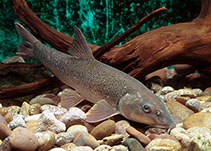 Barbus barbus
ຮູບພາບໂດຍ Muséum-Aquarium de Nancy/D. Terver
ຮູບ | ວິດີໂອ | ສະແຕມ, ຫຼຽນ, ອື່ນໆ. | Google image
ຮູບພາບໂດຍ Muséum-Aquarium de Nancy/D. Terver
ການຈັດປະເພດ / ຊື່ ຊື່ສາມັນ | ຄຳສັບຄ້າຍຄືກັນ | Catalog of Fishes(ຕະກຸນ, ຊະນິດ) | ITIS | CoL | WoRMS | Cloffa
> Cypriniformes (Carps) > Cyprinidae (Minnows or carps) > Barbinae
Etymology: Barbus: Latin, barbus = barbel (Ref. 45335).
Eponymy: Sir Charles Alfred Payton (1843–1926) was a British adventurer, writer, fisherman and diplomat who was British Consul to Morocco, where this barb is found. [...] (Ref. 128868), visit book page.
More on author: Linnaeus.
Etymology: Barbus: Latin, barbus = barbel (Ref. 45335).
Eponymy: Sir Charles Alfred Payton (1843–1926) was a British adventurer, writer, fisherman and diplomat who was British Consul to Morocco, where this barb is found. [...] (Ref. 128868), visit book page.
More on author: Linnaeus.
ສະພາບແວດລ້ອມ: ສະພາບແວດລ້ອມ / ເຂດດິນຟ້າອາກາດ / ລະດັບຄວາມເລິກ / ຂອບເຂດການແຈກຢາຍ ນິເວດວິທະຍາ
; ນ້ຳຈືດ ກ່ຽວກັບ (ຢູ່)ເທິງຊັ້ນພື້ນດິນໃນທະເລເປີດ; ກຸ່ມຫຼືຊະນິດປາທີ່ມີການເຄື່ອນຍ້າຍພາຍໃນນ້ຳຈືດ (Ref. 51243); ລະດັບຄວາມເລິກ 10 - ? m. Temperate; 10°C - 24°C (Ref. 2060); 57°N - 42°N, 5°W - 36°E
ການແຜ່ກະຈາຍ ອານາເຂດ | ເຂດ FAO | ລະບົບນິເວດ | ການປະກົດຕົວ | ຈຸດໃດໜຶ່ງທີ່ສະແດງອອກໃນແຜນທີ່ (ພ້ອມທັງສະແດງຂໍ້ມູນເພີ້ນເຕີມ) | ການແນະນຳ | Faunafri
Europe: North of the Pyrénées and Alps, from Adour (France) eastward to Neman (Lithuania, Russia) drainages, in rivers draining to Atlantic, North sea and southern Baltic Sea; Danube to Dniepr drainages in northern Black Sea basin; southeastern England north to Yorkshire. Found almost throughout Mediterranean drainages of France. Locally introduced in northern and central Italy, rivers Wear, Tees and Medway and most western drainages of England.
ຂະໜາດ / ນ້ຳໜັກ / ອາຍຸ
ການຈະເລີນເຕັມໄວ: Lm ? range ? - ? cm
Max length : 120 cm TL ຕົວຜູ້/ບໍ່ມີເພດ; (Ref. 31730); common length : 30.0 cm TL ຕົວຜູ້/ບໍ່ມີເພດ; (Ref. 556); ນ້ຳໜັກສູງສຸດທີ່ເຄຍຈັດພີມມາ: 12.0 kg (Ref. 31730); ອາຍຸສູງສຸດທີ່ເຄຍລາຍງານມາ: 15 ປີ (Ref. 59043)
Max length : 120 cm TL ຕົວຜູ້/ບໍ່ມີເພດ; (Ref. 31730); common length : 30.0 cm TL ຕົວຜູ້/ບໍ່ມີເພດ; (Ref. 556); ນ້ຳໜັກສູງສຸດທີ່ເຄຍຈັດພີມມາ: 12.0 kg (Ref. 31730); ອາຍຸສູງສຸດທີ່ເຄຍລາຍງານມາ: 15 ປີ (Ref. 59043)
ຄຳອະທິບາຍສັ້ນໆ ຕົວທີ່ໃຊ້ໃນການຈຳແນກຊະນິດ | ສະລີລະວິທະຍາ | ການວັດແທກຮູບຮ່າງລັກສະນະພາຍນອກຂອງດິນ,ສັດ,ປາ…
ຄີ (ໜາມ)ແຂງຢູ່ຫຼັງປາ (ທັງໝົດ) : 3 - 4; ຄີຫຼັງຂອງປາ (ຄີອ່ອນ) (ທັງໝົດ) : 7 - 9; ຄີ(ໜາມ) ແຂງຢູ່ຄີກົ້ນປາ
ກຸ່ມປາກະດູກແຂງ
ຄວາມຖີ່ຂອງກຸ່ມຖ່າຍທອດພັນ
ປາທີ່ມີການເຄື່ອນຍ້າຍຈາກທະເລໄປຫານ້ຳຈືດ ແລະນ້ຳຈືດຫາທະເລ
ປາທີ່ມີການເຄື່ອນຍ້າຍຈາກທະເລແລະໄປໄຂ່ຢູ່ນ້ຳຈືດ
ຄີກົ້ນຂອງປາ
ສັດທີ່ມີກະດູກສັນຫັຼງ
ການຖ່າຍທອດທາງກຳມະພັນຈາກພໍ່ແມ່ຫາລູກ: 2 - 3; ຄີກົ້ນຂອງປາ: 5 - 6; ສັດທີ່ມີກະດູກສັນຫຼັງ: 46 - 47. Diagnosed from its congeners in France, Great Britain, Black, North, Baltic and Adriatic Sea basins and Apennine Peninsula by having the following characters: lower lip thick with a median swollen pad; tip of dorsal pointed; posterior margin of dorsal concave; last simple dorsal ray spinous, serrated along entire posterior edge; flexible segmented part of last simple dorsal ray about 20-24% of its length; fine dark spots (or no spots) in individuals larger than 10 cm SL; 53-63 total scales on lateral line; 12-14 scale rows between dorsal origin and lateral line; pelvic origin about below dorsal origin; scales with free posterior part pointed; scales on back with 1-5 well developed median longitudinal epithelial crests (Ref. 59043). Caudal fin with 19-20 rays (Ref. 2196).
Body shape (shape guide): fusiform / normal.
Body shape (shape guide): fusiform / normal.
Inhabits from premontane to lowland reaches of clear, warm, medium sized to large rivers with fast current and gravel bottom. Occasionally found in lakes. Frequently overwinters in large group, inactive or active in slow-flowing river habitats. Adults often form shoal, hiding under overhanging trees or bridges during the day. Adults are encountered most active during dusk and dawn while larvae and juveniles are active during both day and night. Larvae and juvenile stay on the bottom in very shallow shoreline habitats and leave the shores for faster-flowing waters as they grow (Ref. 59043). Lives in the deeper, faster-flowing upper reaches of rivers with stony or gravel bottom (barbel zones). Feeds chiefly on benthic invertebrates, such as small crustaceans, insect larvae, mollusks, mayfly and midge larvae (Ref. 6258) and also on small fish and sometimes algae (Ref. 59043). Spawns usually in very shallow, fast-flowing riffles (Ref. 59043). Spawning occurs from May to July after the fish have migrated upriver (Ref. 556). Eggs are poisonous (Refs. 4537, 6258). Locally threatened due to water pollution and river regulation, especially in Baltic drainages, Elbe, South Bug and Dniepr, and heavily impacted by pollution in central Europe but recovering. Population has declined sharply due to construction of large reservoirs and pollution during 20th century and has stabilized at a moderate level since then (Ref. 59043).
ວົງຈອນຊີວິດ ແລະພຶດຕິກໍາການຫາຄູ່ ການຈະເລີນເຕັມໄວ | ການສືບພັນ | ການວາງໄຂ່ | ໄຂ່ | ຄວາມດົກຂອງໄຂ່ປາ | ຕົວອ່ອນ
"Individual females spawn with several males. Males assemble at spawning grounds and follow ripe females, often with much splashing, to shallow riffles. Males may exhibit courting or sneaking tactics in spawning site. Courting males follow females to spawning site and, during the spawning act, one male swims head to head with the female. Sneaking males, waiting in the spawning site, then join the couple and try to fertilize eggs. Up to 130 males have been reported to be involved in a single spawning act. Females deposit non-sticky eggs in 2-3 portions into excavations made in the gravel" (Ref. 59043).
ເອກະສານອ້າງອີງຫຼັກ
ອັບໂຫລດເອກະສານອ້າງອີງຂອງທ່ານ | ເອກະສານອ້າງອີງ | ຜູ້ປະສານງານ | ຜູ້ຮ່ວມມື
Bianco, P.G., 1998. Diversity of Barbinae fishes in southern Europe with description of a new genus and a new species (Cyprinidae). Ital. J. Zool. 65:125-136. (Ref. 31730)
ສະຖານະພາບບັນຊີແດງຂອງ IUCN (Ref. 130435: Version 2025-2 (Global))
Least Concern (LC) ; Date assessed: 12 November 2022
CITES
Not Evaluated
ໄພຂົ່ມຂູ່ຕໍ່ມະນຸດ
Other (Ref. 4537)
ການນໍາໃຊ້ຂອງມະນຸດ
ການປະມົງ: ທີ່ເປັນການຄ້າໜ້ອຍ; ການລ້ຽງສັດນ້ຳ: ການນຳໃຊ້ທີ່ເປັນໄປໄດ້ໃນອານາຄົດ; ຊະນິດປາທີ່ຖືກນຳໃຊ້ເຂົ້າໃນການຫາເພື່ອເປັນເກມກິລາ: ແມ່ນ; ຕູ້ປາ: ເປັນສີນຄ້າ
FAO - ລະບົບການລ້ຽງປາ: ຜົນຜະລິດ; ການປະມົງ: ການລົງຈອດ; Publication: search | FishSource |
ຂໍ້ມູນຕື່ມອີກ
ນະໂຍບາຍດ້ານປະຊາກອນ
ຕົວວັດແທກການເຕີບໃຫຍ່
ສູງສຸດ. ອາຍຸ / ຂະຫນາດ
ຄວາມຍາວ-ນ້ໍາຫນັກ rel.
ຄວາມຍາວ - ຄວາມຍາວ rel.
ຄວາມຖີ່ຄວາມຍາວ
ການແປງມະຫາຊົນ
ການທົດແທນທີ່
ຄວາມອຸດົມສົມບູນ
ຕົວວັດແທກການເຕີບໃຫຍ່
ສູງສຸດ. ອາຍຸ / ຂະຫນາດ
ຄວາມຍາວ-ນ້ໍາຫນັກ rel.
ຄວາມຍາວ - ຄວາມຍາວ rel.
ຄວາມຖີ່ຄວາມຍາວ
ການແປງມະຫາຊົນ
ການທົດແທນທີ່
ຄວາມອຸດົມສົມບູນ
ວົງຈອນຊີວິດ
ການສືບພັນ
ການຈະເລີນເຕັມໄວ
ການເຕີບໃຫຍ່ / Gills rel.
ຄວາມດົກຂອງໄຂ່ປາ
ການວາງໄຂ່
ການລວບລວມການວາງໄຂ່
ໄຂ່
ການພັດທະນາໄຂ່
ຕົວອ່ອນ
ການປ່ຽນແປງຂອງຕົວອ່ອນ
ການສືບພັນ
ການຈະເລີນເຕັມໄວ
ການເຕີບໃຫຍ່ / Gills rel.
ຄວາມດົກຂອງໄຂ່ປາ
ການວາງໄຂ່
ການລວບລວມການວາງໄຂ່
ໄຂ່
ການພັດທະນາໄຂ່
ຕົວອ່ອນ
ການປ່ຽນແປງຂອງຕົວອ່ອນ
ຮ່າງກາຍ
ເນື້ອທີ່ເຫືອກ
ສະໝອງ
ໂອໂຕລິດ
ເນື້ອທີ່ເຫືອກ
ສະໝອງ
ໂອໂຕລິດ
ຟີຊິກສາດ
ອົງປະກອບຂອງຮ່າງກາຍ
ທາດອາຫານ
ການບໍລິໂພກອົກຊີເຈນ
ປະເພດລອຍ
ຄວາມໄວໃນການລອຍ
ເມັດສີທີ່ເບິ່ງເຫັນ
ສຽງປາ
ພະຍາດ & ກາຝາກ
ຄວາມເປັນພິດ (LC50s)
ອົງປະກອບຂອງຮ່າງກາຍ
ທາດອາຫານ
ການບໍລິໂພກອົກຊີເຈນ
ປະເພດລອຍ
ຄວາມໄວໃນການລອຍ
ເມັດສີທີ່ເບິ່ງເຫັນ
ສຽງປາ
ພະຍາດ & ກາຝາກ
ຄວາມເປັນພິດ (LC50s)
ເຄື່ອງມື
Bio Quiz | E-book | ຄູ່ມືພາກສະໜາມ | ຕົວທີ່ໃຊ້ໃນການຈຳແນກຊະນິດ | ຄວາມຖີ່ຂອງຄວາມຍາວປາ | ເຄື່ອງມືຂອງຊີວະປະຫວັດທາງດ້ານຊີວິດ | ຈຸດໃດໜຶ່ງທີ່ສະແດງອອກໃນແຜນທີ່ (ພ້ອມທັງສະແດງຂໍ້ມູນເພີ້ນເຕີມ) |
ຈັບ-MSY |
ບົດລາຍງານພິເສດ
ກວດສອບການບໍາລຸງຮັກສາຕູ້ປາ | ກວດເບິ່ງເອກະສານຄວາມຈິງຂອງຊະນິດ | ກວດເບິ່ງເອກະສານຄວາມເປັນຈິງການລ້ຽງສັດນ້ຳ
ດາວໂຫລດ XML
ແຫຼ່ງອີນເຕີເນັດ
AFORO (otoliths) | Alien/Invasive Species database | Aquatic Commons | BHL | Cloffa | Websites from users | Check FishWatcher | CISTI | Catalog of Fishes: ຕະກຸນ, ຊະນິດ | DiscoverLife | DORIS | ECOTOX | FAO - ລະບົບການລ້ຽງປາ: ຜົນຜະລິດ; ການປະມົງ: ການລົງຈອດ; Publication: search | Faunafri | Fishipedia | Fishtrace | GloBI | Google Books | Google Scholar | Google | IGFA World Record | ຖານຂໍ້ມູນແຫ່ງຊາດ | OneZoom | Open Tree of Life | Otolith Atlas of Taiwan Fishes | ບ່ອນວາງສະແດງສັນນ້ຳຂອງລັດ | PubMed | Reef Life Survey | Socotra Atlas | TreeBase | ແຜນທີ່ສະແດງກິ່ງງ່າຂອງເຊື້ອຕະກຸນປາ, ສັດ ຈາກບັນພະບູລຸດຈົນເຖິງຫລານ | Wikipedia: Go, ຊອກຫາ | World Records Freshwater Fishing | ການບັນທຶກດ້ານສັດວິທະຍາ
ການຄາດຄະເນໂດຍອີງໃສ່ແບບຈໍາລອງ
ດັດຊະນີຄວາມຫຼາກຫຼາຍທາງຊີວະພາບ (ເອກະສານອ້າງອີງ 82804): PD50 = 0.5000 [Uniqueness, from 0.5 = low to 2.0 = high].
Bayesian length-weight: a=0.00912 (0.00677 - 0.01229), b=2.98 (2.94 - 3.02), in cm total length, based on LWR estimates for this species (Ref. 93245).
ຊັ້ນເຂດຮ້ອນ (ເອກະສານອ້າງອີງ 69278): 3.1 ±0.39 se; based on food items.
ຄວາມຢືດຢຸ່ນ (ເອກະສານອ້າງອີງ 120179): ຕຳ່, ປະຊາກອນຕຳ່ສຸດທີ່ໃຊ້ເວລາສອງເທົ່າ 4.5 - 14 ປີ (tm=3-5).
ທາດອາຫານ (Ref. 124155): Calcium = 23.2 [13.3, 39.6] mg/100g; Iron = 0.391 [0.246, 0.620] mg/100g; Protein = 17.7 [16.8, 18.6] %; Omega3 = 0.972 [0.401, 2.502] g/100g; Selenium = 20.4 [7.7, 54.2] μg/100g; VitaminA = 33.1 [10.4, 106.8] μg/100g; Zinc = 0.811 [0.568, 1.154] mg/100g (wet weight);